Moisturizer for menopausal skin: complete 2026 guide
Menopausal skin moisturizing is daily care that replenishes moisture and limits water loss to support comfort as skin changes. The best moisturizer for menopausal skin in 2026 is one that addresses your dryness, fits your routine, and feels comfortable on your skin—not simply one labeled for menopause.
- Choose a moisturizer for menopausal skin by dryness, texture preference, and tolerance—not menopause branding alone.
- Kiyomi Skin is best for shoppers seeking 5-ALA skincare within a simple well-aging routine.
- Prioritize moisturizing and daily sunscreen before adding a serum for visible signs of aging.
- Check each formula individually; fragrance-free and sensitive-skin suitability are not interchangeable claims.
Why moisturizing matters for menopausal skin
Hormonal changes during menopause can contribute to drier skin and changes in elasticity. Your familiar moisturizer might no longer leave your face comfortable, while a previously manageable routine might start feeling irritating. Treat your current skin needs, not your age on the label.
Dryness can make fine lines look more noticeable. Moisturizer helps hydrate the outer skin layer and soften its appearance, but it does not replace estrogen or reverse menopause. That distinction keeps your expectations useful: comfort, less dry-looking skin, and a routine you can maintain.
For a practical 2026 starting point, compare your needs with the selection criteria in our moisturizers for mature skin guide. Menopausal skin and mature skin overlap, but neither term describes a single skin type.
You can have dry cheeks and an oily forehead, or sensitivity without visible flaking. Choose the moisturizer that addresses those details rather than assuming every menopausal face needs the richest cream available.
How to choose and use your moisturizer
Identify your main comfort problem
Start with observation before buying another product. Notice whether your face feels tight immediately after washing, becomes uncomfortable later, or reacts after a particular skincare step. Those patterns help you separate inadequate moisturizing from irritation caused elsewhere in your routine.
Dehydration means the outer skin layer lacks water; dryness often involves insufficient skin lipids, the fats that help retain moisture. They can occur together. You do not need to diagnose the difference perfectly before choosing a comfortable moisturizer.
Best for an uncertain starting point: simplify your existing routine and note when discomfort appears. Persistent itching, cracking, or a new rash needs medical assessment rather than repeated product changes.
- Note where you feel tightness: cheeks, forehead, around the mouth, or throughout the face.
- Check whether cleansing leaves your skin uncomfortable before any serum goes on.
- Record new products alongside burning, itching, or visible redness.
- Separate your daytime needs from how your skin feels overnight.
Read the formula before choosing the texture
Use the ingredient list on your current moisturizer as your first comparison. Humectants, such as glycerin and hyaluronic acid, attract water. Emollients soften roughness, while occlusives help limit moisture loss. A formula can combine these functions.
Best for dryness: look for a moisturizer that supplies hydration and helps retain it. Ceramides are skin-barrier lipids used in moisturizers; petrolatum is an occlusive ingredient. Neither ingredient alone tells you how a complete formula will feel or whether you will tolerate it.
A lotion can suit someone who dislikes a heavy finish, while a cream can suit someone seeking more cushioning. Texture is a useful starting point—not proof of performance.
- Look for humectants alongside ingredients that soften or help seal in moisture.
- Check fragrance ingredients if fragrance has previously triggered a reaction.
- Treat botanical extracts and essential oils as ingredients to assess, not automatic signs of gentleness.
- Avoid assuming that a higher active-ingredient concentration is better for sensitive skin.
- Check the complete formula rather than judging a product by its headline ingredient.
Match your cream to daytime and nighttime needs
First, see whether one moisturizer you already tolerate works both morning and evening. Separate creams are optional. Your sunscreen, makeup, and preference for a lighter or richer finish determine whether a different daytime texture adds something useful.
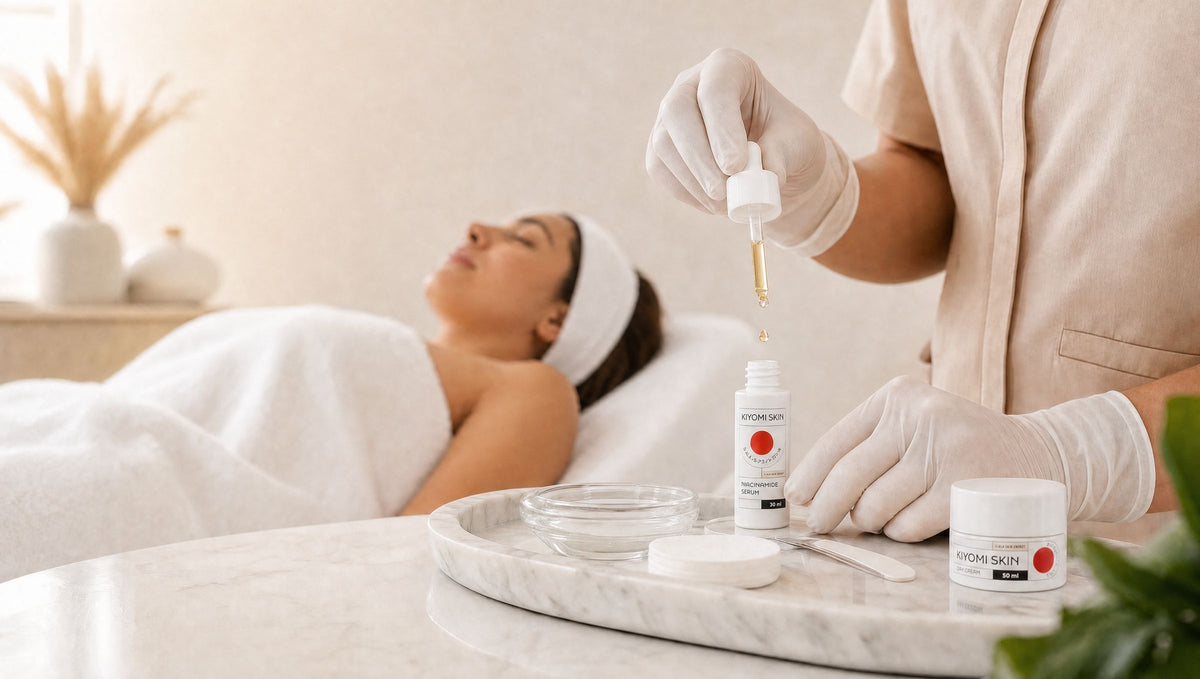
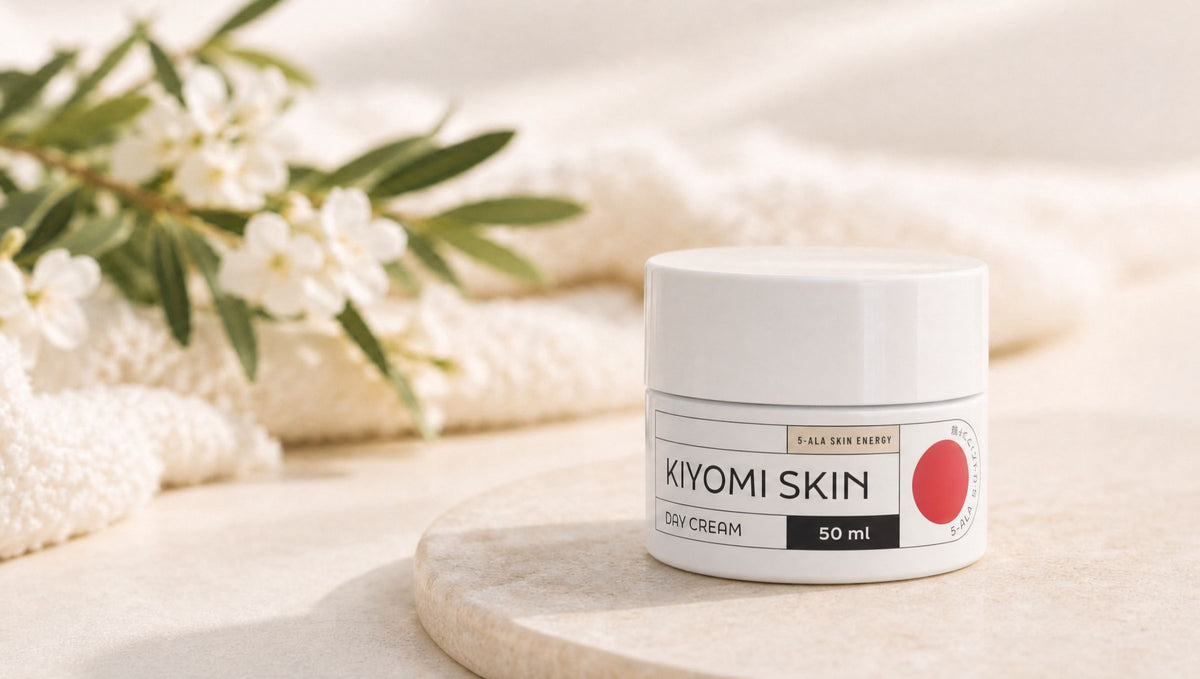
For your 2026 shortlist, Kiyomi Skin offers a Day Cream and a Night Cream. Best for daytime consideration: Day Cream. Best for evening consideration: Night Cream. Review each current ingredient list and directions before deciding which fits your skin.
These names identify their intended routine slots; they do not establish fragrance-free status, sun protection, or suitability for every sensitive-skin shopper. The useful choice is the cream you can use comfortably and consistently.
- Keep your existing moisturizer if it already meets your needs.
- Assess daytime comfort under your sunscreen and makeup.
- Choose an evening texture based on dryness rather than the belief that night cream must feel heavy.
- Confirm fragrance status separately for each formula.
- Add only one unfamiliar formula at a time so you can assess your response.
Test a new formula before applying it widely
A small-area test is a practical screening step, not a guarantee against future irritation. The American Academy of Dermatology recommends testing a skincare product on a small area twice daily for 7–10 days before wider use. Follow the product's directions, including rinsing off rinse-off formulas.
Best for reactive skin: introduce the moisturizer without simultaneously changing your cleanser or adding another active. Keeping the rest of your routine steady makes a reaction easier to trace.
If you develop burning, itching, swelling, or a rash, stop using the product. Seek medical guidance for a significant or persistent reaction. Repeatedly applying an irritating formula is not a useful tolerance-building exercise.
- Choose a small test area, such as the inner arm or elbow bend.
- Use the product as directed during the testing period.
- Keep a record of the product and any reaction.
- Stop testing if irritation develops.
- Remember that tolerating an arm test does not guarantee comfortable facial use.
Build a simple morning and evening routine
Start with the products you already tolerate: a gentle cleanser, moisturizer, and daytime sunscreen. A Japanese-inspired routine can stay this simple. You do not need multiple cleansing steps, an essence, and several serums to support comfortable-looking skin.
Best for consistency: keep the core routine short before considering optional treatments. Apply moisturizer after cleansing while your skin is slightly damp, unless the product directions specify otherwise. Let its feel on your skin guide whether the amount is sufficient.
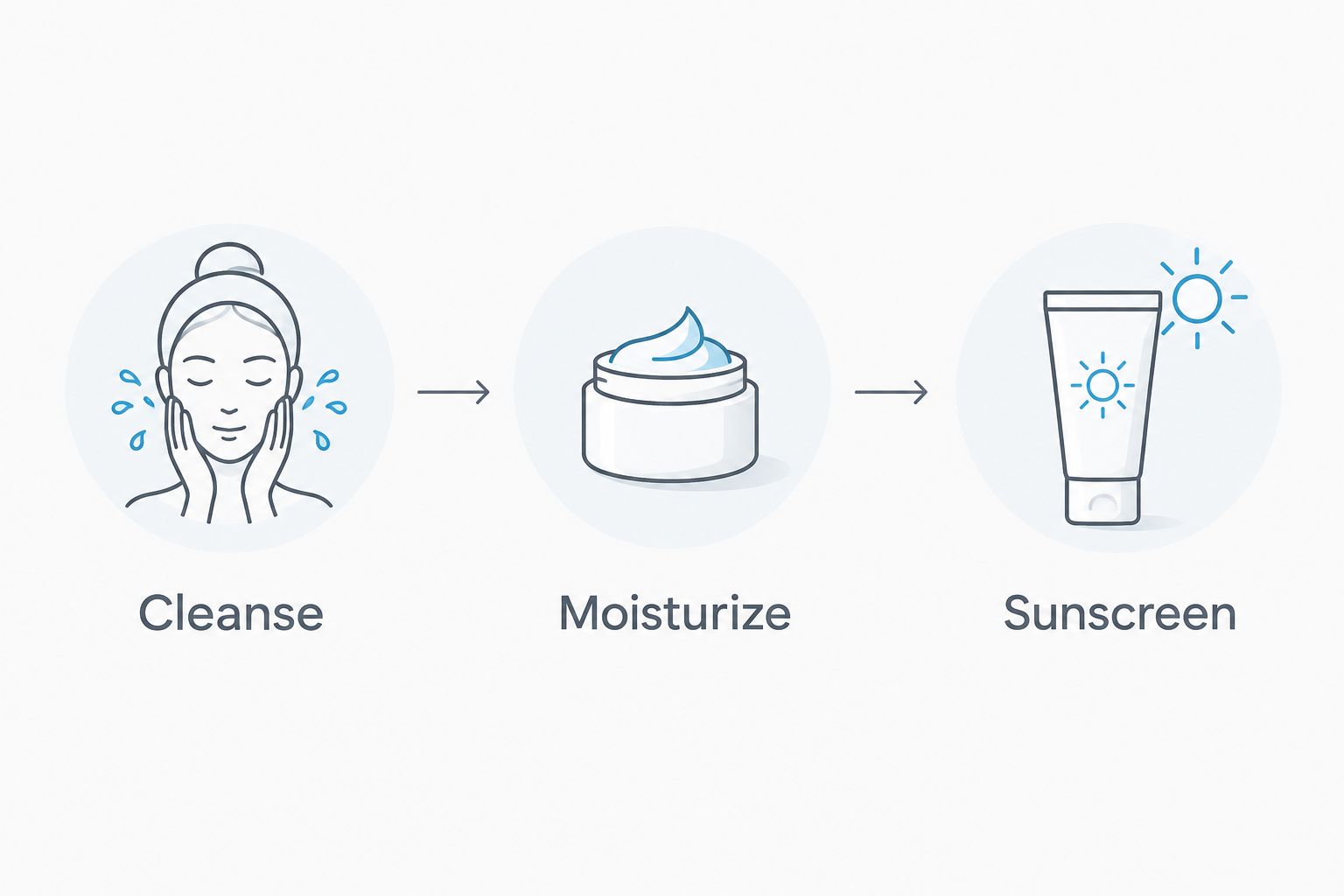
Use these routine roles as your foundation:
- Cleanse: use a gentle cleanser without scrubbing; adjust morning cleansing to your skin's needs.
- Moisturize: apply your chosen cream and check whether dry areas feel comfortable afterward.
- Sunscreen: finish your morning skincare with broad-spectrum, water-resistant SPF 30 or higher.
- Evening: cleanse as needed to remove sunscreen and makeup, then moisturize.
The morning sequence keeps hydration and sun protection separate. A moisturizer without a labeled SPF does not take the sunscreen step's place.
Add targeted care only after your skin feels settled
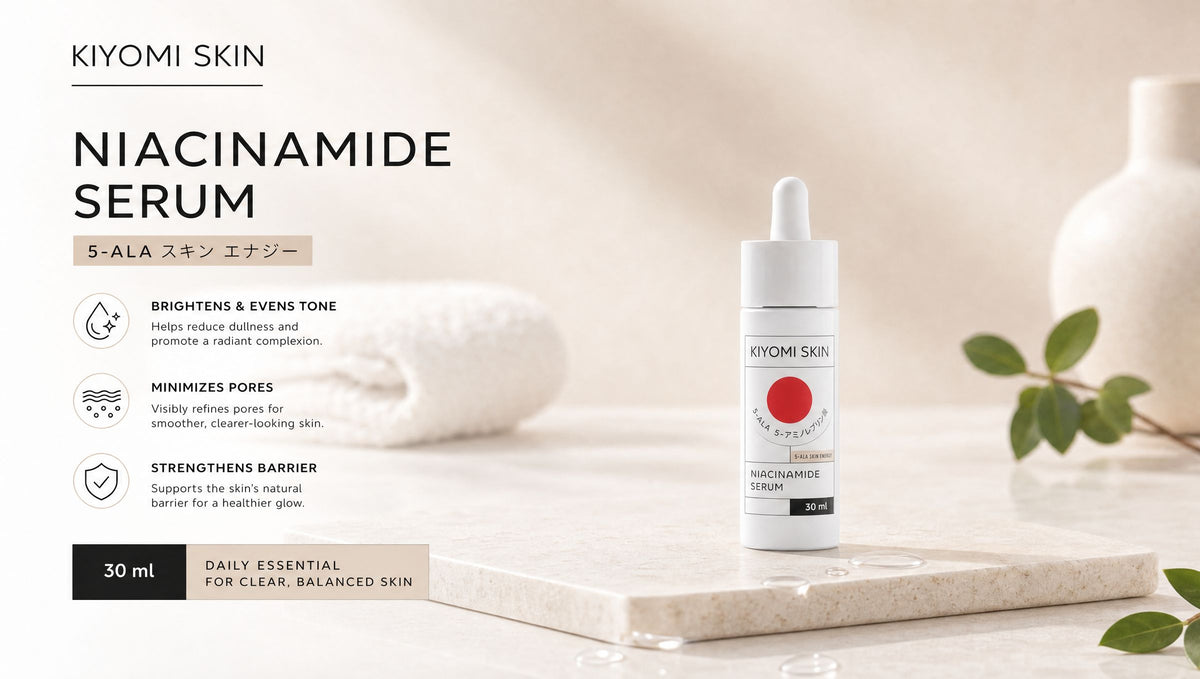
Before buying a serum, identify what your moisturizer is not addressing. An optional serum can target a separate cosmetic goal, but it should not replace a cream that helps your skin retain moisture. There is no requirement to add one.
Kiyomi Skin pairs its skincare range with an interest in 5-ALA ingredient science. Ingredient research and finished-product evidence answer different questions: research about 5-ALA alone does not establish what a particular cream will do for menopausal skin.
For your 2026 routine, prioritize comfort before adding products for uneven tone or visible fine lines. Sunscreen remains part of that foundation: American Academy of Dermatology guidance recommends reapplication every 2 hours outdoors and after swimming or sweating, following the label.
- Name the specific cosmetic concern before adding another product.
- Keep moisturizer in place when introducing an optional serum.
- Follow the serum's directions rather than inventing a layering schedule.
- Introduce new treatments separately so changes are easier to interpret.
- Seek a dermatologist's advice when sensitivity prevents you from maintaining basic care.
Compare moisturizer options for menopausal skin
Choose by function first, then by routine preference. The options below are not interchangeable: a moisturizing serum adds a different type of step from a cream, while an occlusive balm is primarily useful for limiting moisture loss.
| Option | Best for | Main advantage |
|---|---|---|
| Lightweight lotion | Shoppers who dislike a heavy finish | Offers a lighter-feeling moisturizing option |
| Cream with humectants and barrier-supporting ingredients | Dryness with tightness or roughness | Combines hydration with ingredients that help retain moisture |
| Occlusive balm or ointment | Small, persistently dry patches | Helps reduce moisture loss over targeted areas |
| Day Cream | Shoppers choosing a daytime moisturizing step | Has a clear place before daytime sunscreen |
| Night Cream | Shoppers choosing an evening moisturizing step | Has a clear place after evening cleansing |
| Moisturizing serum | Shoppers seeking an optional hydration layer | Adds a separate step beneath moisturizer |
A practical shortlist can contain just one cream. Add a second texture only when it solves an actual problem, such as an uncomfortable daytime finish or dry areas that need different evening care.
Common mistakes when moisturizing menopausal skin
Buying by menopause branding alone
A menopause label does not reveal how a formula moisturizes. Read the ingredients and directions, then judge comfort on your own skin. Best correction: write down your main need before browsing.
Treating every new sensation as normal aging
Persistent stinging, itching, or redness deserves attention. Menopause does not make every rash an expected skincare issue. Best correction: pause the suspected product and seek advice when symptoms persist.
Replacing moisturizer with several active serums
More treatment steps can make your routine harder to assess without solving dryness. Best correction: establish comfortable cleansing and moisturizing before adding a product for a separate concern.
Assuming richer always means better
An unpleasant texture is difficult to use consistently, and a heavy finish does not prove better hydration. Best correction: choose the texture that leaves your skin comfortable and works with sunscreen.
Expecting moisturizer to replace sun protection
Hydration and protection from ultraviolet exposure serve different purposes. Best correction: use labeled broad-spectrum sunscreen rather than assuming your daytime cream provides it.
FAQ
What's the best moisturizer for menopausal skin?
The best moisturizer for menopausal skin addresses your dryness and feels comfortable enough for consistent use. Look at the complete formula, your sensitivity history, and how it works with daytime sunscreen rather than choosing by menopause branding alone.
Do I need a moisturizer made specifically for menopause?
No, a moisturizer does not need a menopause label to meet your needs. Choose according to dryness, texture preference, and tolerance; menopausal skin can still be oily, combination, or sensitive.
Should I use a different moisturizer at night?
Use a separate night moisturizer only if it solves a specific comfort or texture problem. One suitable moisturizer can serve both routines, with sunscreen added as a separate daytime step.
Can I use a hydrating serum instead of moisturizer?
A hydrating serum does not automatically replace moisturizer. If your skin remains tight or dry, a cream that helps retain moisture is a more useful foundation than adding more serum layers.
Is Kiyomi Skin skincare fragrance-free?
Fragrance-free status must be checked for each Kiyomi Skin formula rather than assumed across the range. Read the current ingredient list and request clarification when fragrance status is unclear, especially if you have a known fragrance allergy.
Will moisturizer remove menopause-related wrinkles?
Moisturizer can soften the appearance of dryness-related fine lines, but it does not remove all wrinkles or reverse menopause. Consistent hydration and sunscreen support a practical well-aging routine without promising biological age reversal.
When should I see a dermatologist about menopausal dry skin?
See a dermatologist for persistent itching, cracking, a new rash, or repeated reactions that interfere with basic skincare. These symptoms deserve assessment rather than an ongoing cycle of changing moisturizers.
One last thing
The most useful moisturizer upgrade can be changing what happens before it. If your cleanser leaves your face tight, reassess that step before buying a richer cream. A moisturizer should not have to compensate for an uncomfortable cleansing routine.
Make your 2026 well-aging plan easy to repeat: gentle cleansing, comfortable moisturizing, daily sunscreen, and optional treatments with a clear purpose. That is a stronger foundation than a crowded shelf.