How long does it take for a moisturizer to improve mature skin?
A moisturizer can make mature skin feel softer and less tight after application, but lasting comfort depends on regular use and a formula that suits your skin. There is no single deadline for improving dryness, texture, and visible lines: hydration can soften the appearance of dryness-related lines, while deeper wrinkles need a different expectation. This 2026 guide explains what to watch for, how to choose a cream, and how to judge progress without chasing a promised transformation.
- How long does moisturizer take to improve mature skin? Early softness and lasting dryness relief are different milestones.
- Kiyomi Skin Day Cream is a fragrance-free option for shoppers prioritizing daily hydration.
- Judge mature-skin moisturizer by comfort, flaking, and lasting hydration—not by whether deep wrinkles disappear.
- Keep gentle cleansing, moisturizer, and daily sunscreen consistent before adding more products.
How long does it take for a moisturizer to improve mature skin?
Look for improved comfort first, then assess whether dryness stays controlled between applications. A cream's immediate feel does not establish lasting results, and a slow change in visible lines does not mean hydration is failing.
For a straightforward starting point, Day Cream combines 5-ALA and hyaluronic acid in a fragrance-free moisturizing formula.
| What you want to improve | What to look for | What that observation tells you |
|---|---|---|
| Tightness after washing | Skin feels comfortable after moisturizing | The application is helping relieve a dry feeling |
| Rough, dry texture | Skin feels smoother with consistent care | Surface dryness is becoming better managed |
| Visible flaking | Fewer dry patches between applications | Your routine is helping maintain moisture |
| Fine lines emphasized by dryness | Lines look softer when skin is hydrated | Hydration is changing their appearance, not necessarily their underlying structure |
| Deep wrinkles or pronounced sagging | No reliable moisturizer-only deadline | These are not appropriate measures of basic moisturizing performance |
Keep those outcomes separate. A moisturizer can be useful even when your deeper expression lines look unchanged.
Why this matters
Mature skin often becomes drier, and dryness can make texture and fine lines look more noticeable. That creates a common shopping mistake: judging a moisturizer as if it were a wrinkle treatment instead of asking whether it keeps your skin comfortable.
A well-aging routine starts with that distinction. You support hydration and the visible look of aging through repeatable daily care, rather than expecting a cream to stop aging.
For your 2026 routine, choose a clear goal before choosing another product. “My cheeks feel comfortable after cleansing” is easier to assess than “my face looks younger,” and it gives you a useful reason to keep or change a formula.
What should improve first?
Comfort after application
Softness and reduced tightness are useful early signals. Notice how your skin feels once the cream settles, rather than judging only its slip while you spread it.
A silky finish is a texture preference, not proof of a lasting moisturizing effect. The more useful question is whether your cheeks still feel comfortable as you continue your day.
Dryness between applications
The next question is whether your routine holds up between uses. Look at the areas that usually become flaky, rough, or tight instead of checking your entire face for a dramatic change.
If those areas repeatedly feel dry again, review both your cream and your cleansing habits. A suitable moisturizer has a harder job when frequent washing or harsh cleansing keeps removing surface oils.
The appearance of fine lines
Moisturizers can temporarily make fine lines look less noticeable by hydrating and plumping the skin's surface. That is different from demonstrating a change in collagen or a reduction in deep wrinkles.
Compare like with like. Looking at freshly moisturized skin in soft bathroom lighting and bare skin in bright daylight does not give you a useful assessment of progress.
Why moisturizer results vary
The same cream does not create the same experience for every shopper. These factors help explain why your results differ from a friend's review:
- Your starting dryness: A tight, flaky area gives you a different baseline from skin that already feels comfortable.
- The complete formula: Humectants attract water, while other moisturizing ingredients soften skin or help limit water loss. The ingredient list matters more than a single featured ingredient.
- Your cleansing routine: Hot water, scrubbing, and repeated cleansing can work against your comfort goals.
- Your consistency: Irregular use makes it harder to tell whether a formula suits your everyday needs.
- Your environment: Dry indoor air and changing weather affect how much moisturizing support feels sufficient.
- Your chosen outcome: Comfort, flaking, fine-line appearance, and deeper wrinkles are separate endpoints—not interchangeable signs of success.
Adjust the routine around the problem you actually notice. If your face feels comfortable but makeup catches on one dry patch, focus on that patch rather than replacing every product.
Which moisturizer fits your mature-skin routine in 2026?
Start with your main concern and preferred time of use. Kiyomi Skin offers moisturizing creams with different ingredient combinations; choose the one that fits the role you need instead of assuming a more elaborate routine works faster.
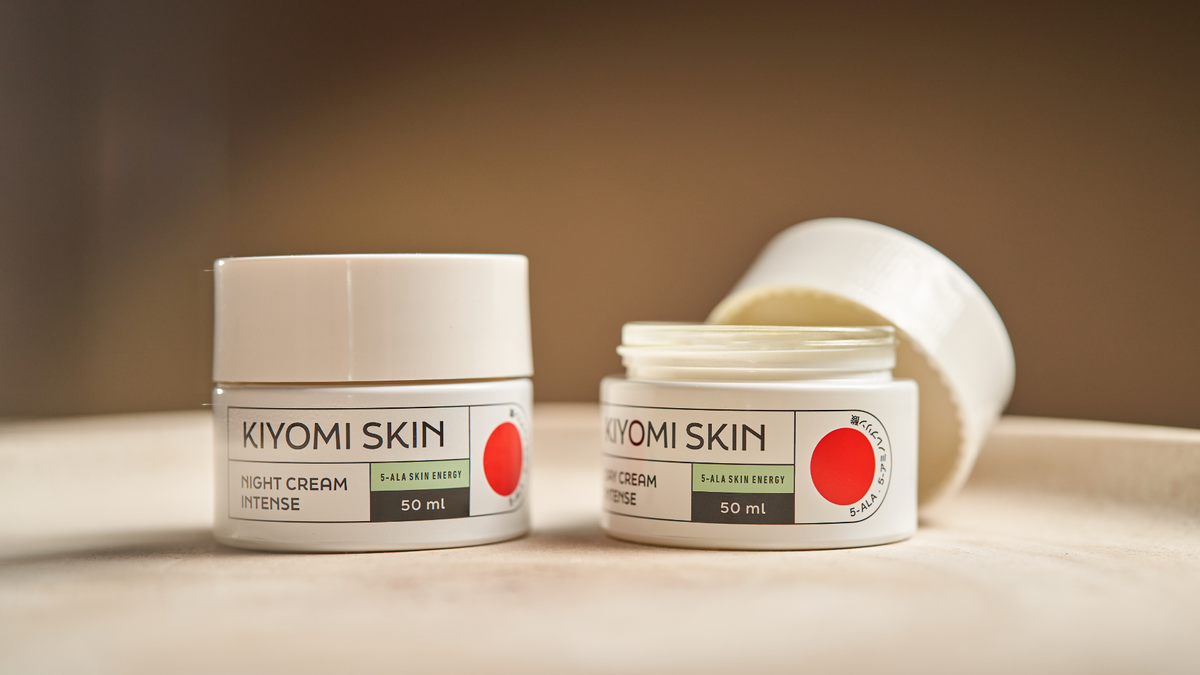
Kiyomi Skin Day Cream is best for shoppers seeking fragrance-free daily moisturizing care with hyaluronic acid. For an evening option, Night Cream contains 5-ALA, hyaluronic acid, and ceramides.
| Option | Best for | Supported formula details | Selection consideration |
|---|---|---|---|
| Day Cream | Fragrance-free daytime moisturizing care | Contains 5-ALA and hyaluronic acid; described as fragrance-free | Choose it for hydration; the supplied product description does not establish sunscreen protection |
| Night Cream | An evening moisturizing step with ceramides | Contains 5-ALA, hyaluronic acid, and ceramides | Choose it for its nighttime role and ingredients; those details do not establish a faster results timeline |
Day Cream's practical advantage is its fragrance-free moisturizing formula. Night Cream offers a ceramide-containing evening option. Neither ingredient list, by itself, tells you exactly when your own skin will look different.
You do not need separate day and night products simply to make your routine feel complete. Start with the moisturizing step you need most, then decide whether a separate evening formula adds useful comfort.


What does 5-ALA tell you about results?
5-ALA stands for 5-aminolevulinic acid. It is a featured ingredient in Kiyomi Skin skincare, but ingredient science and finished-product results answer different questions.
A study of an ingredient does not establish how quickly a cream containing it improves mature skin. A useful finished-product timeline requires research on that formulation, with a defined population, duration, and measured outcome. Choose your moisturizer for its supported moisturizing role rather than treating 5-ALA as a countdown to visible change.
How should you use moisturizer for a fair assessment?
Keep your 2026 routine simple enough to repeat. The aim is not to create the longest routine; it is to give your skin consistent care while keeping the results easy to interpret.
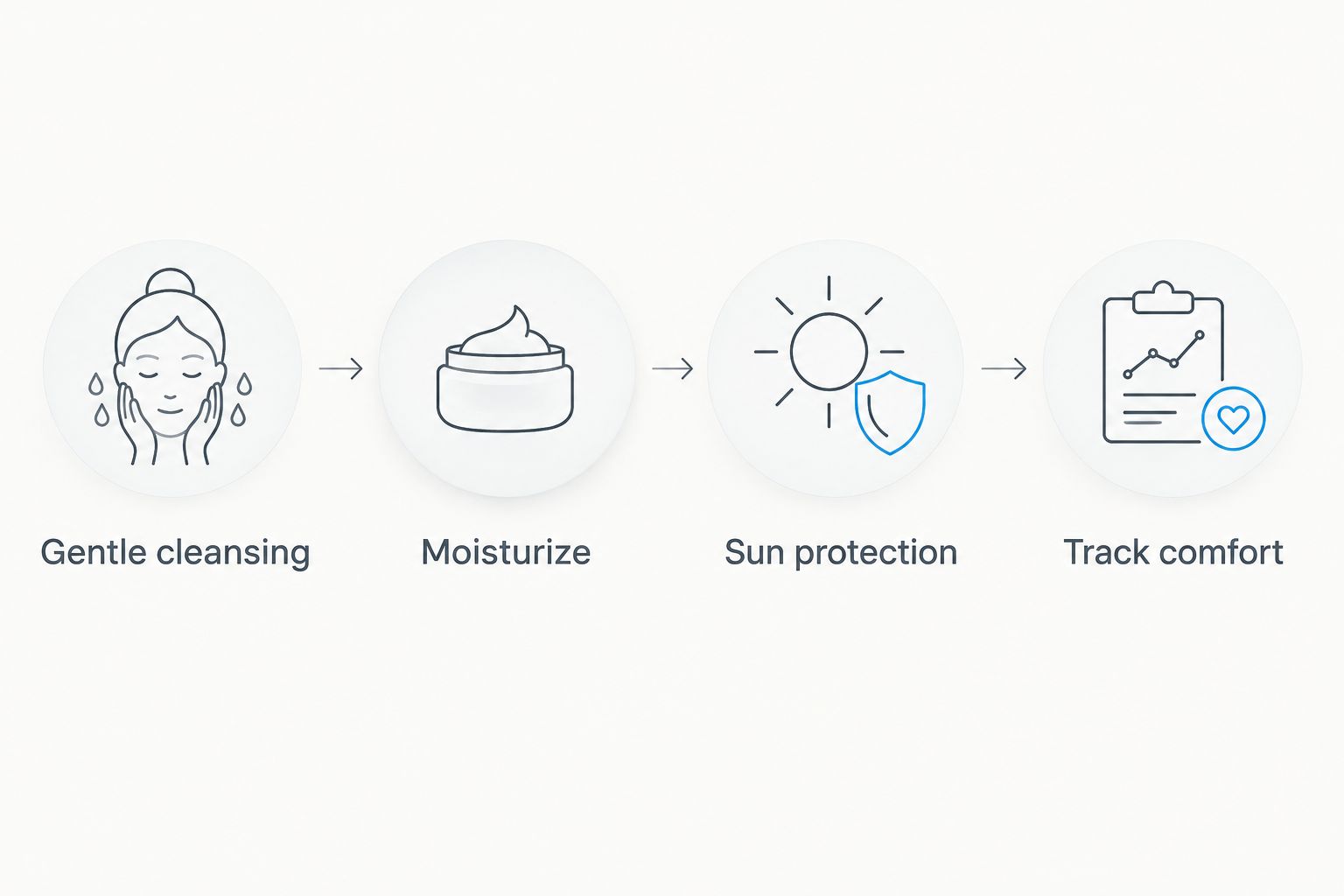
- Gentle cleansing: Use lukewarm water and avoid scrubbing. After washing, pat rather than rub your face.
- Moisturize: Apply your chosen cream while your skin is still slightly damp, unless the product directions say otherwise. Cover the areas that regularly become dry.
- Sun protection: In the morning, follow with broad-spectrum, water-resistant sunscreen with SPF 30 or higher. Follow its directions, including reapplication every 2 hours outdoors and after swimming or sweating.
- Track comfort: Notice tightness, rough patches, and how your skin feels between applications. Keep other routine changes limited while assessing the cream.
Sunscreen serves a different purpose from moisturizer. Daily UV protection helps prevent additional sun damage; moisturizer helps manage dryness. A cream's hydrating ingredients do not establish an SPF rating.
Keep washing gentle elsewhere, too. The American Academy of Dermatology's dry-skin guidance recommends limiting baths and showers to 5–10 minutes and using warm rather than hot water. These are general dry-skin habits, not a product-specific results schedule.
One suitability note: Introduce a new formula on a small area first and follow its directions; fragrance-free does not guarantee individual tolerance. Stop using a product that causes persistent burning, redness, or an itchy rash, and seek a dermatologist's advice for ongoing symptoms or dryness that does not respond to routine care.
How can you tell whether the moisturizer is working?
Use observations you can repeat. Check the same dry areas under similar lighting, and distinguish how your skin feels immediately after application from how it feels later.
A simple progress note can answer these questions:
- Does washing leave my face feeling less tight once I moisturize?
- Are the same dry patches becoming less noticeable?
- Does my skin remain comfortable between applications?
- Does makeup sit more evenly over previously flaky areas?
- Is the formula comfortable enough that I use it consistently?
You do not need to photograph your face constantly. If you use photos, keep the lighting, camera distance, facial expression, and timing relative to application similar. Otherwise, a lighting change can look like a skincare result.
For your 2026 check-ins, record comfort separately from appearance. That keeps a genuine improvement in dryness from getting lost because a deeper wrinkle has not changed.
Should you add a serum to make moisturizer work faster?
Add a serum for a specific purpose, not as a shortcut to a faster moisturizer result. A serum is an additional formula, and adding it changes what you are evaluating.
If dryness is your main concern, first check that your cleansing and moisturizing steps meet that need. Once the basics feel dependable, an optional serum can address a separate preference, such as an additional hydrating layer or care focused on uneven-looking tone.
Layering more products is not automatically better. A comfortable cream used consistently is a stronger foundation than a crowded routine you keep changing because you cannot identify what helps.
Is a richer cream always better for mature skin?
A richer cream is not automatically better for every person with mature skin. Choose the texture that leaves your skin comfortable and fits your daily use; a heavy finish you dislike can make consistent application less appealing.
Does moisturizer work better at night?
Nighttime is a useful opportunity to moisturize, but the time of day does not establish faster results. Evening application fits naturally after cleansing, while morning moisturizing supports comfort during the day.
Can moisturizer make wrinkles disappear?
Moisturizer can soften the appearance of fine lines made more visible by dryness, but it does not make all wrinkles disappear. Judge hydration by comfort and surface dryness rather than treating deep wrinkle removal as the test of success.
FAQ
How long does moisturizer take to improve mature skin?
A moisturizer can improve softness and tightness after application, while sustained dryness control depends on consistent use and a suitable formula. There is no universal deadline covering hydration, texture, and wrinkles.
Should my skin feel better after the first application?
Your skin can feel softer after the first application, but that alone does not establish lasting improvement. Check whether comfort continues between applications.
What's a good moisturizer starting point for sensitive mature skin?
A fragrance-free moisturizing formula is a practical starting point, chosen for your dryness and texture preferences. Day Cream contains 5-ALA and hyaluronic acid in a fragrance-free formula.
Does mature skin need a different moisturizer at night?
Mature skin does not automatically need a separate nighttime moisturizer. A separate evening cream is useful when its texture or ingredients better fit your nighttime preferences.
Can hyaluronic acid in a moisturizer help dry-looking lines?
Hyaluronic acid is a humectant that attracts water and supports hydration. Hydrated skin can make dryness-related fine lines look softer, which is different from demonstrating structural wrinkle reduction.
Do I still need sunscreen if I use moisturizer?
Yes, moisturizer does not replace sunscreen unless it carries an appropriate sunscreen label. Use broad-spectrum, water-resistant SPF 30 or higher and follow the application directions.
Should I replace my moisturizer if deeper wrinkles stay the same?
Unchanged deeper wrinkles do not mean a moisturizer has failed. Assess whether the formula improves comfort, flaking, and dryness before deciding whether to replace it.
One last thing
The most useful result is often less noticeable skin—not a more dramatic mirror image. When your face no longer feels tight after washing or distractingly dry later, your moisturizer is doing a useful job.
Start with the moisturizing step your routine needs. Shop Kiyomi Skin Day Cream for fragrance-free daily hydration, or choose Night Cream when you want an evening formula with hyaluronic acid and ceramides.