Is a heavier moisturizer better for mature skin?
A heavier moisturizer is better for mature skin when dryness calls for a more protective formula—not simply because your skin is older. Thickness alone does not tell you how well a cream hydrates, suits sensitive skin, or works under sunscreen. The best moisturizer for mature skin in 2026 is one that keeps your skin comfortable without adding unnecessary weight to your routine.
- Choose a moisturizer for mature skin by dryness and comfort, not thickness alone.
- Kiyomi Skin Day Cream suits shoppers seeking fragrance-free hydration with hyaluronic acid.
- Humectants attract water; emollients soften skin; occlusives help limit moisture loss.
- Use richer care where needed rather than automatically covering your whole face.
Is a heavier moisturizer better for mature skin?
A heavier moisturizer helps when your current formula leaves your skin dry or tight. It is not automatically better for every mature face. Mature skin can be dry, oily, combination, or sensitive, so age alone is not a useful texture guide.
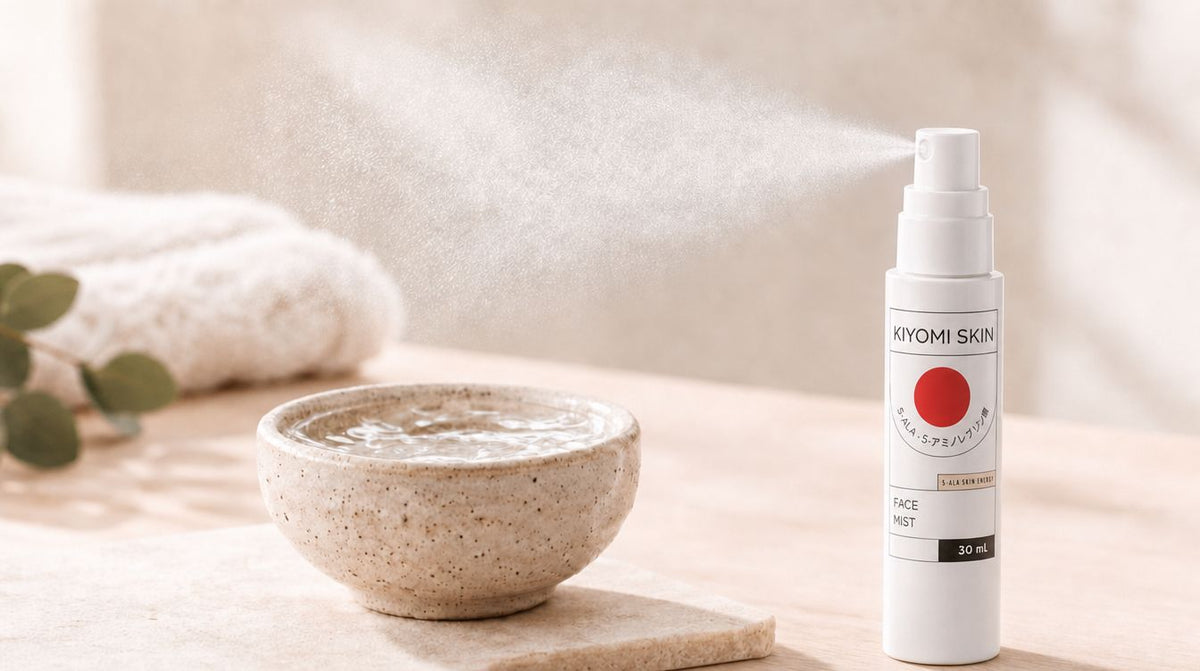
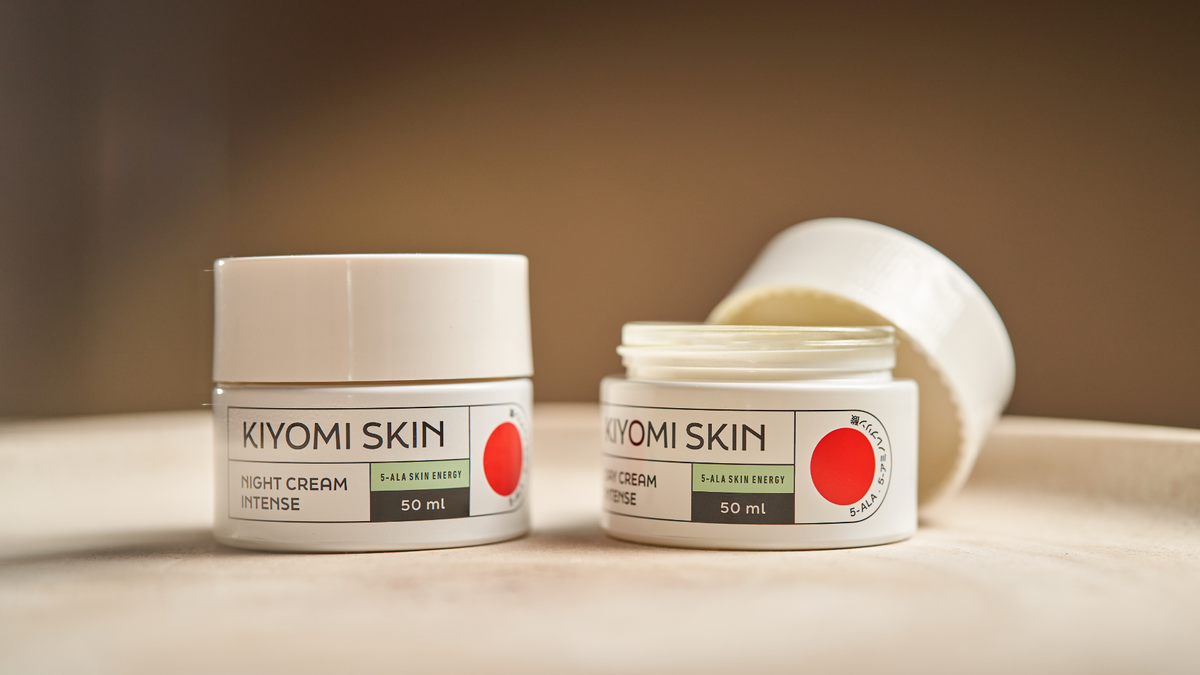
Start with the ingredients and purpose of the formula. These two Kiyomi Skin moisturizers offer different starting points without making cream thickness the deciding factor.
| Moisturizer | Best for | Supported formula details | Selection trade-off |
|---|---|---|---|
| Day Cream | Shoppers seeking fragrance-free daytime hydration | Contains 5-ALA and hyaluronic acid | A day cream does not replace a separately labeled sunscreen |
| Night Cream | Shoppers seeking evening moisture care with ceramides | Contains 5-ALA, hyaluronic acid, and ceramides | The name does not establish its texture or fragrance-free status |
Neither product's ingredient list, by itself, establishes how long hydration lasts on your skin. Choose the formula that fits your needs, then assess comfort during normal use.
Why this matters
Dryness can make fine lines look more noticeable and leave skin feeling rough. Moisturizer helps address that dryness; a thicker texture is only one possible way to deliver moisture care.
The American Academy of Dermatology's public guidance on skin care during menopause notes that skin loses some ability to hold water. That supports paying closer attention to hydration, not assuming every mature-skin shopper needs the richest cream available.
For your 2026 routine, separate two goals: keeping skin comfortably moisturized and addressing the visible look of aging. A cream can support both goals, but neither its thickness nor its name proves a wrinkle-reduction benefit.
What makes a moisturizer effective besides thickness?
A moisturizer's texture is what you feel. Its formulation determines how it attracts water, softens the surface, and helps reduce water loss. Those functions often work together.
Humectants attract water
Humectants are ingredients that attract and hold water. Hyaluronic acid and glycerin are familiar examples, and they appear in products with many different textures.
A cream does not need to feel heavy to contain a humectant. When dehydration is your main concern, look for water-binding ingredients rather than using thickness as a shortcut.
Emollients soften the surface
Emollients help smooth rough-feeling skin. They improve the feel of dry areas by supporting a softer, more supple surface.
This is different from simply adding water. If your cheeks feel rough even after applying a hydrating serum, a moisturizer with suitable emollients adds a different function rather than duplicating the serum step.
Occlusives help limit water loss
Occlusives form a protective layer that helps reduce water escaping from the skin. Petrolatum is a well-established example.
That protective function explains why more occlusive care helps very dry areas. However, a thick-feeling product is not automatically the most occlusive, and a protective layer does not need to feel equally comfortable everywhere on your face.
Ceramides support the moisture barrier
Ceramides are lipids naturally present in the skin's outer protective layer. In moisturizers, they are useful ingredients to look for when dryness and barrier care are priorities.
Choose a balance of hydration, softness, and protection—not the heaviest texture you can find. You do not need to judge a formula by a single ingredient, either; the whole product matters.
When is a richer moisturizer the better choice?
Consider richer care when a lighter moisturizer leaves persistent dry patches or your skin feels tight again during ordinary daily use. The relevant signal is your skin's comfort, not whether a product is marketed for a particular age group.
Match the application to the problem. Dry cheeks do not automatically require a heavier layer across an oily forehead, nose, and chin.
| Your skin's current needs | Best for | Main benefit | Main trade-off |
|---|---|---|---|
| Comfortable skin with little dryness | Keeping your existing moisturizer | Avoids an unnecessary routine change | Seasonal changes still require reassessment |
| Dryness across most of the face | Trying a richer or more protective cream | Adds moisture care where broadly needed | A heavier finish can feel uncomfortable under makeup |
| Dry cheeks with an oily center | Applying extra cream only to dry areas | Treats different areas differently | Requires more targeted application |
| Comfortable morning skin but evening tightness | Adjusting evening moisture care | Changes the routine when dryness appears | Cleansing habits also need attention |
Before buying a richer cream, check whether you are using your current moisturizer consistently. A good formula applied irregularly is difficult to evaluate fairly.
Why moisturizer needs vary
Your skin's needs change with its environment and your routine. These factors explain why the moisturizer that feels right in one situation feels wrong in another:
- Baseline dryness: Persistent flaking and tightness call for different care than a face that feels comfortable but looks shiny.
- Menopausal changes: Reduced water retention can shift your priorities toward more consistent moisture care.
- Weather and indoor conditions: Cold weather and heated indoor air often increase dryness; warm, humid conditions change how a rich finish feels.
- Cleansing habits: Hot water, scrubbing, and harsh cleansing can contribute to dryness that moisturizer alone does not solve.
- Other skincare products: Exfoliating products and retinoids can affect comfort, making the surrounding routine important.
- Daytime layering: Sunscreen and makeup influence which texture you will enjoy using consistently.
Treat these as adjustment points, not reasons to replace everything. Change the part of the routine connected to the problem.
How do you choose a moisturizer for mature, sensitive skin?
Start with your main need: everyday hydration, dry-patch care, or evening comfort. Then check the full formula and the product's stated use rather than choosing by words such as “intense” or “renewal.”
For a practical 2026 shortlist, give priority to clear ingredient information and a texture you can use consistently. Sensitive skin benefits from thoughtful selection, not an expanding collection of products.
Choose fragrance-free care when that is your priority
Fragrance-free is a formula-specific description, not a promise that every product in a range shares the same feature. Day Cream is explicitly described as fragrance-free and contains hyaluronic acid.
Kiyomi Skin Day Cream is best for shoppers seeking fragrance-free daily hydration with hyaluronic acid. Its role here is straightforward moisture care, not a claim that a thicker cream would perform worse.
Look beyond the ingredient headline
Kiyomi Skin moisturizers feature 5-ALA, but ingredient science and finished-product evidence answer different questions. An ingredient's biological role does not establish that a particular cream reverses aging, repairs DNA, or changes cellular energy in human skin.
For this decision, focus on the supported formula details: hyaluronic acid in Day Cream and hyaluronic acid plus ceramides in Night Cream. Those details help you select a moisture-care step without assuming an unverified clinical result.
Keep one simple suitability check
Introduce a new formula on a small area before broader use, follow its directions, and stop if irritation develops. Fragrance-free does not guarantee universal tolerance; persistent burning, itching, or inflamed patches deserve professional advice rather than another layer of cream.
Once you have chosen your daytime or evening role, shop the matching moisturizer below. You do not need both simply because they are designed for different times of day.


How should you apply moisturizer in a simple routine?
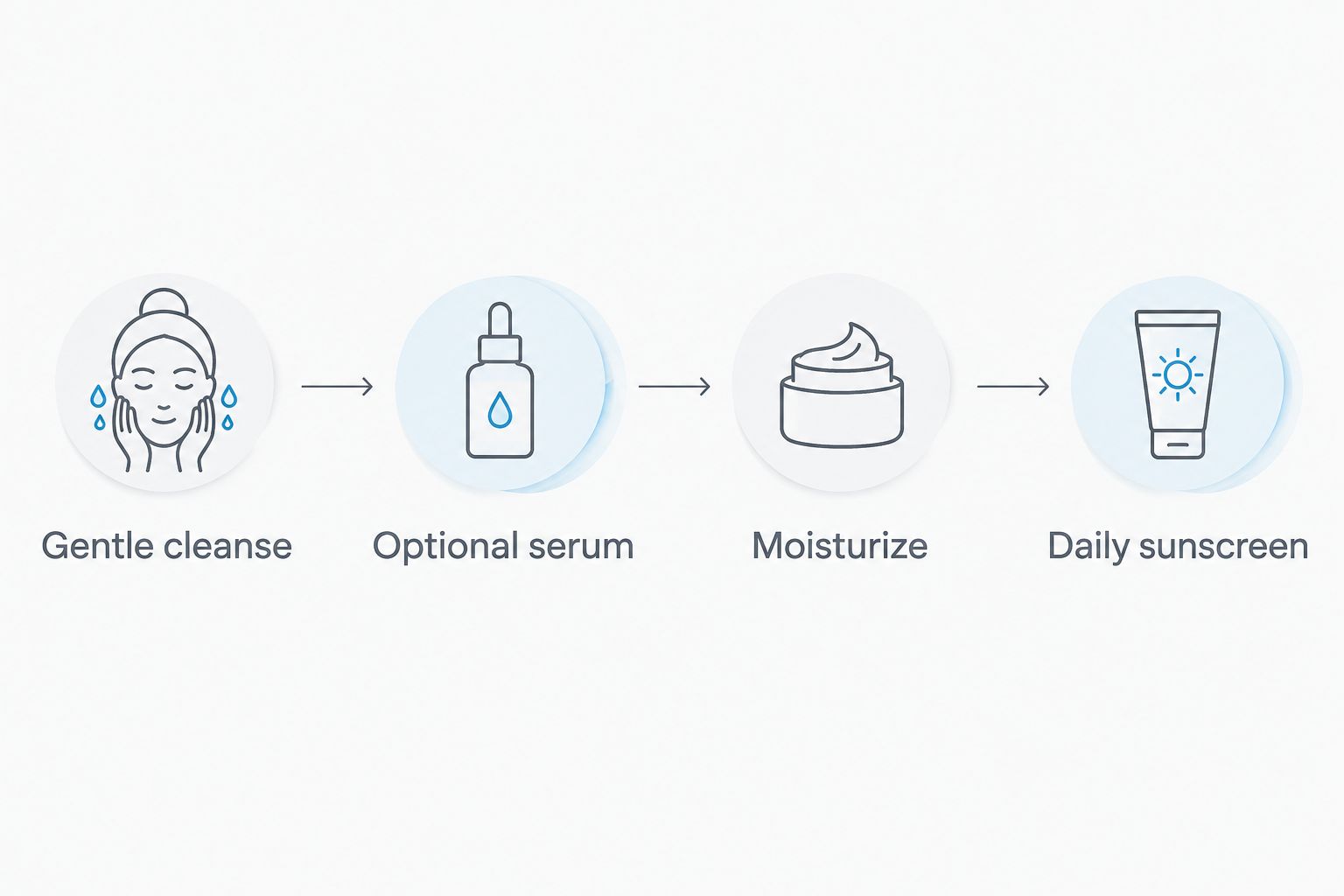
A Japanese-inspired routine can stay focused: cleanse gently, moisturize, and protect your skin during the day. Add a serum only when it has a clear purpose. More layers are not the goal.
- Gentle cleanse: Use lukewarm water and a cleanser suited to your skin. Avoid scrubbing dry patches.
- Optional serum: Apply a serum according to its directions if you use one. A serum is optional, not a requirement for mature skin.
- Moisturize: Smooth moisturizer over the face, giving extra attention to dry areas. Applying after washing, while skin is still slightly damp, helps retain moisture.
- Daily sunscreen: Finish your morning skincare with a broad-spectrum sunscreen rated SPF 30 or higher, following its label.
At night, omit sunscreen and focus on cleansing and moisture care. Your evening moisturizer does not have to be heavier if your skin already feels comfortable.
For outdoor exposure, the American Academy of Dermatology recommends reapplying sunscreen every 2 hours and after swimming or sweating. A moisturizer's richness does not replace that protection.
Does mature skin need a separate night cream?
A separate night cream is optional, not a requirement. Use one if it makes evening moisture care more comfortable or provides ingredients you want in that step.
A 50 ml moisturizer is a package size, not a recommended application amount or evidence of a particular treatment duration. Follow the product directions and apply enough for comfortable coverage rather than assuming more product produces better results.
Can a lighter moisturizer work for mature skin?
A lighter moisturizer works for mature skin when it keeps dryness under control and feels comfortable throughout your normal day. There is no need to replace a successful formula just because your skin is older.
Assess how your skin feels after cleansing and again later. If only your cheeks become dry, adjust those areas before changing the moisturizer across your entire face.
Will a heavier moisturizer reduce wrinkles more effectively?
A heavier moisturizer does not automatically reduce wrinkles more effectively. Moisturizing can temporarily soften the appearance of dryness-related lines, but texture alone does not establish a lasting wrinkle benefit.
For a 2026 well-aging routine, prioritize comfortable hydration, daily sunscreen, and consistent habits. Choose targeted treatments separately, using evidence about the actual formula rather than its richness.
FAQ
What's the best moisturizer for mature skin in 2026?
The best moisturizer for mature skin in 2026 is one that controls dryness, suits your skin, and fits your daily routine. Choose by formula and comfort rather than thickness alone.
Should mature skin always use a thick cream?
Mature skin does not always need a thick cream. Keep a lighter moisturizer if your skin stays comfortable, and add richer care where dryness persists.
Is hyaluronic acid useful in a moisturizer for mature skin?
Hyaluronic acid is useful as a humectant, an ingredient that attracts and holds water. Its presence does not establish a finished product's hydration duration or wrinkle-reduction results.
Are ceramides worth looking for in a night cream?
Ceramides are useful ingredients to consider when moisture-barrier care is a priority. They are lipids naturally present in the skin's outer protective layer.
Can I use the same moisturizer in the morning and at night?
You can use the same moisturizer morning and night when its directions allow and it meets your skin's needs. Apply a separate sunscreen during the day unless your product is appropriately labeled for sun protection.
Do I need sunscreen if I use a day cream?
You need sunscreen even when you use a day cream without labeled sun protection. Choose broad-spectrum SPF 30 or higher and follow the sunscreen's application and reapplication directions.
Should I put more moisturizer on dry cheeks than on my forehead?
You can apply extra moisturizer to dry cheeks without adding the same amount to a comfortable or oily forehead. Adjusting by area is more useful than treating every part of your face identically.
One last thing
Before switching creams, check your cleansing step. If your face feels tight immediately after washing, hotter water or a harsh cleanser can be part of the problem; heavier moisturizer does not make those habits gentler.
Build your Kiyomi Skin routine around the simplest combination that keeps your skin comfortable. Choose moisture care for the skin you have today—not for an age printed on a package.