Japanese skincare for brides: complete 2026 guide
Japanese skincare for brides is a simple, Japanese-inspired approach to cleansing, hydration, and daily protection with the aim of supporting comfortable, healthy-looking skin before your wedding. This 2026 guide focuses on sensitive skin, where choosing familiar formulas and rehearsing your routine matters more than adding extra steps.
- Japanese skincare for brides works best as a consistent routine, not a last-minute treatment plan.
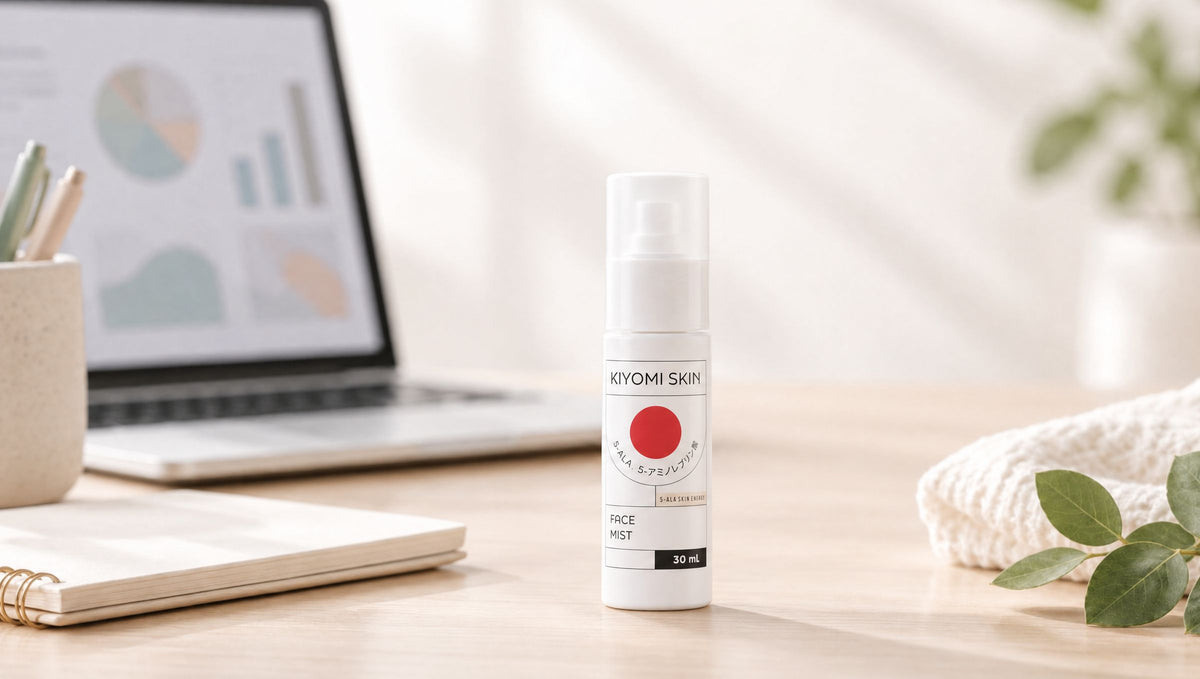
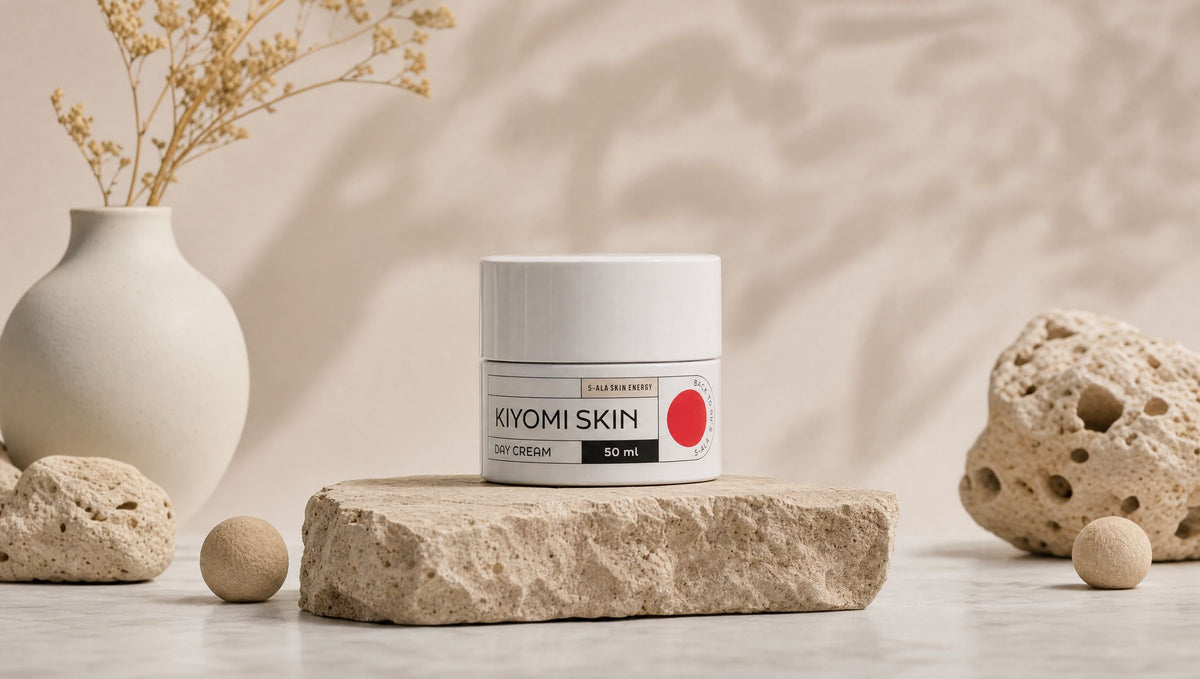
- Kiyomi Skin offers 5-ALA skincare for brides exploring a simple, hydration-focused routine.
- Choose one serum for your main concern; keep cleansing, moisturizer, and sunscreen consistent.
- Test skincare and wedding makeup together before the wedding, including sunscreen and touch-ups.
Why Japanese skincare matters for brides
Your wedding creates a fixed deadline, but your skin does not follow an event schedule. The practical goal is a routine you can repeat comfortably through makeup trials, travel, and the ceremony—not a promise of flawless skin by a particular date.
For sensitive skin, a shorter routine also makes troubleshooting easier. If several new products cause discomfort, identifying the trigger becomes harder; introducing one change at a time keeps your decisions clear.
Start with the basics rather than an elaborate shopping list. This guide to choosing a gentle cleansing gel for sensitive skin explains what to assess before adding treatment steps.
Kiyomi Skin is best for brides who want to explore 5-ALA skincare within a simple Japanese-inspired routine. Suitability still depends on the individual formula and your skin's response, not the ingredient story alone.
For a 2026 wedding, define success in practical terms: comfortable skin, manageable dryness, and skincare that works with your chosen makeup. Those are more useful planning goals than chasing a different complexion.
Build your bridal routine around repeatable steps
1. Choose your main skin priority
Begin without buying anything. Write down what currently feels uncomfortable, what looks different, and which products already work for you. Separate dryness or tightness from concerns such as uneven-looking tone or visible fine lines.
Choose one priority for your 2026 bridal routine. A single goal gives each product a clear role and prevents a collection of unrelated treatments from becoming your daily routine.
If your skin is persistently inflamed, painful, cracked, or reacting repeatedly, seek a dermatologist's advice rather than treating the wedding as a deadline for experimentation. Cosmetic skincare is not a substitute for medical care.
- List the cleanser, moisturizer, sunscreen, and treatments you already use.
- Record discomfort separately from appearance concerns.
- Choose one main goal, such as hydration or more even-looking tone.
- Keep products that already suit your skin unless there is a reason to change.
- Bring recurring reactions to a dermatologist before introducing another active formula.
2. Make cleansing comfortable before adding treatments
Review how you cleanse before choosing a serum. Use lukewarm water, your fingertips, and a cleanser that removes the day's products without leaving your skin feeling persistently tight. Scrubbing harder is not a bridal skincare strategy.
Japanese-inspired routines sometimes include an oil cleanser followed by a water-based cleanser. Treat that as an option for removing makeup and sunscreen, not a requirement for every face or every morning.
Your best cleansing method is the one that removes what you wore while remaining comfortable. After a makeup trial, check whether your usual method removes long-wear foundation and eye makeup without repeated rubbing.
- Use a familiar cleanser before considering an additional cleansing step.
- Keep washcloths and cleansing tools gentle rather than abrasive.
- Add a second cleanser only when your removal needs justify it.
- Follow the cleanser's instructions, including directions around the eyes.
- Stop using a formula that causes persistent burning or worsening irritation.
3. Select one serum that matches your goal
Start by checking whether your existing routine already addresses your priority. If moisturizer resolves the dryness that bothers you, a serum is optional. If you want a targeted step, choose one formula and assess it before adding another.
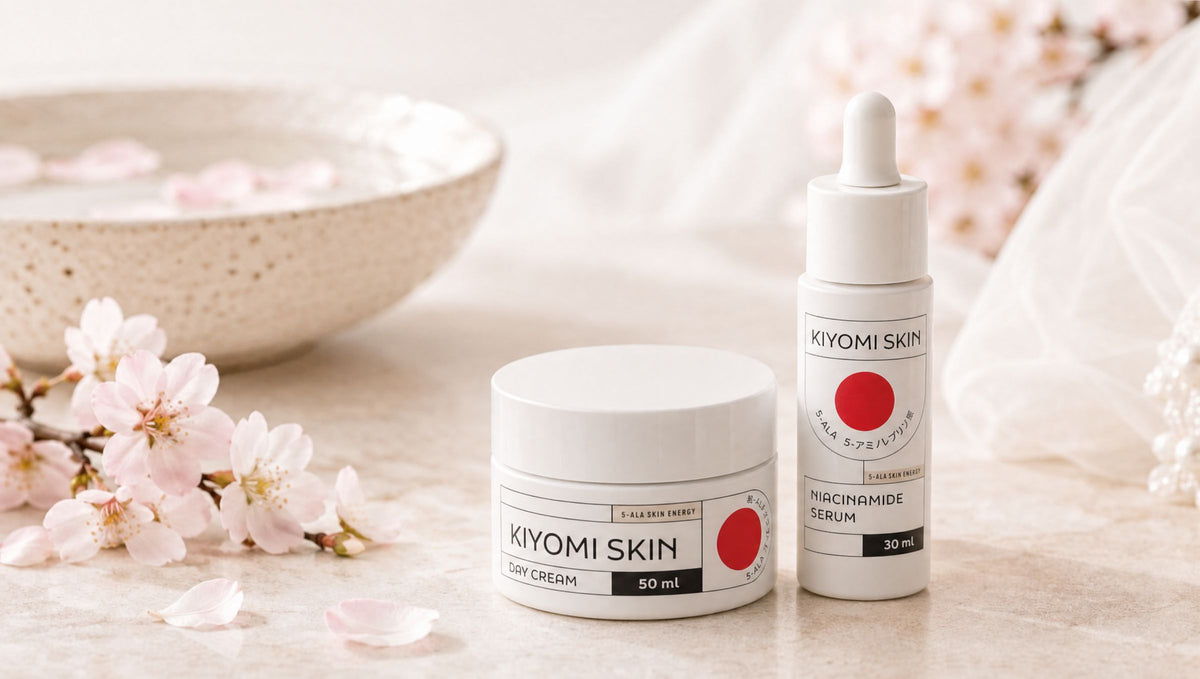
For brides comparing an even-tone-focused option, Niacinamide Serum belongs on the shortlist. Kiyomi Skin includes this serum in its 5-ALA skincare catalog; evaluate the complete ingredient list and directions rather than choosing by the headline ingredient alone.
Do not treat this Niacinamide Serum as fragrance-free. The supplied formulation information lists bitter-orange flower water and linalool, which matters when you are avoiding particular fragrance ingredients or following allergy advice.
5-ALA means 5-aminolevulinic acid. Research about an ingredient does not establish that every finished formula delivers the same effects, and it does not predict your individual tolerance. Choose the serum for a defined role, not a promise of biological age reversal.
- Match one serum to your main appearance or comfort goal.
- Read the full ingredient list, not only the product name.
- Check known allergens and ingredients your dermatologist has advised you to avoid.
- Follow the product's application instructions rather than inventing a layering schedule.
- Introduce the serum separately from other new skincare.
4. Keep moisturizer and sunscreen as your foundation
Use your current, well-tolerated moisturizer first. A serum is an additional step, not a reason to remove the moisturizer that keeps your skin comfortable.
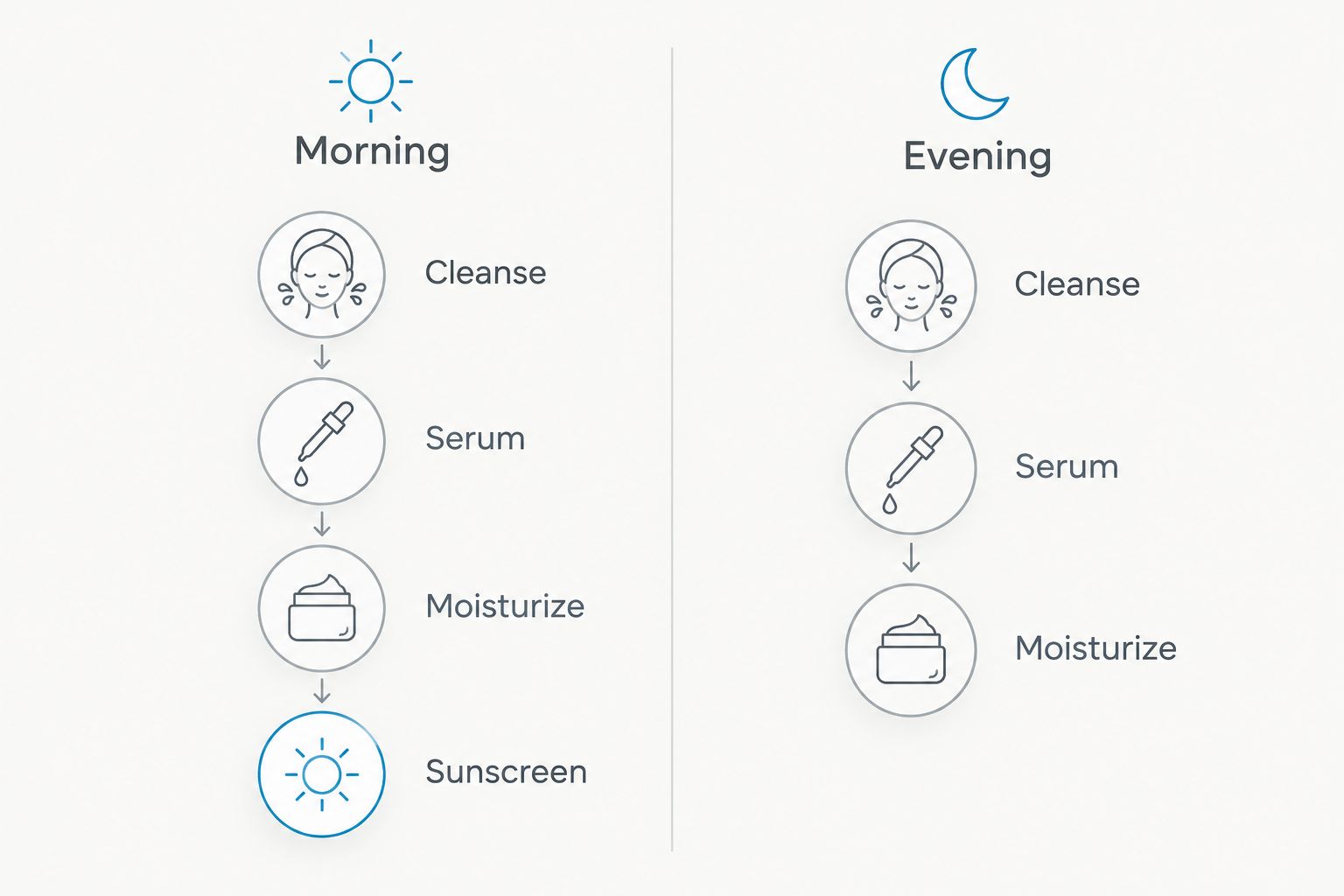
A simple morning sequence is cleanse as needed, apply your chosen serum according to its directions, moisturize, and finish with sunscreen. At night, remove makeup and sunscreen, cleanse, and moisturize; include the serum only as directed and tolerated.
The American Academy of Dermatology recommends broad-spectrum, water-resistant sunscreen with SPF 30 or higher. Reapply approximately every 2 hours outdoors and after swimming or sweating, following the label. Makeup with SPF does not remove the need for a deliberate sunscreen routine.
- Keep your moisturizer consistent while testing a serum.
- Choose a sunscreen you can apply comfortably and adequately.
- Include your neck and other exposed areas in sun protection.
- Plan shade and protective clothing for outdoor wedding events.
- Pack sunscreen for outdoor photographs and daytime celebrations.
5. Test changes before your makeup rehearsal
Begin by testing your existing skincare beneath the makeup you plan to wear. Your 2026 makeup trial should assess the full combination, including sunscreen, foundation, concealer, and any setting products—not foundation on freshly washed skin alone.
For new skincare, the American Academy of Dermatology recommends a small-area test twice daily for 7–10 days, using the product as directed. Rinse-off products still need to be rinsed off. A home test does not diagnose an allergy or guarantee that full-face use will be comfortable.
Once you introduce a product to your face, watch for delayed discomfort as well as immediate stinging. If the combination pills, simplify and check application instructions before adding another product to solve it.
- Test one new formula at a time before full-face use.
- Rehearse your actual skincare, sunscreen, and makeup sequence.
- Photograph the makeup in the lighting planned for your event.
- Check comfort and appearance after normal wear, not only immediately after application.
- Stop a new product if irritation develops; seek care for significant or persistent symptoms.
6. Preserve the routine through travel and wedding morning
Use a written packing list before buying travel replacements. Taking familiar products avoids introducing an unfamiliar hotel cleanser or last-minute treatment simply because it is convenient.
Once your skincare and makeup combination works, keep it steady. There is no universal wedding countdown that makes a new peel, facial, serum, or mask suitable for sensitive skin; discuss procedures and recovery expectations with the treating clinician.
On the wedding morning, repeat the sequence you rehearsed. Tell your makeup artist about sensitivities, known allergies, and products you do not want applied. Comfort takes priority over accepting an unfamiliar extra step.
- Pack your established cleanser, moisturizer, serum if used, and sunscreen.
- Keep product names and ingredient information accessible while traveling.
- Confirm skincare responsibilities with your makeup artist beforehand.
- Skip unfamiliar masks, exfoliants, and samples during final preparations.
- Bring familiar essentials for makeup removal after the celebration.
Compare bridal routine options
Choose the least complicated routine that addresses your priority. More steps create more application decisions; they do not establish better results. This comparison helps you decide whether an additional serum has a useful job.
| Option | Best for | Main advantage |
|---|---|---|
| Familiar cleanser, moisturizer, and sunscreen | Brides whose current routine feels comfortable | Preserves a known baseline and simplifies makeup rehearsals |
| Baseline routine plus Niacinamide Serum | Brides exploring an even-tone-focused serum | Gives the additional step a defined purpose |
| Hydration-focused routine with an optional moisturizing serum | Brides prioritizing dryness and makeup preparation | Keeps product selection centered on hydration |
| Dermatologist-guided skincare plan | Brides with persistent inflammation or recurrent reactions | Addresses concerns that exceed routine cosmetic selection |
Kiyomi Skin offers serum, cleanser, moisturizer, and eye-care categories, but you do not need every category for a complete routine. Choose by function and ingredient suitability; an eye cream, mist, or mask is not a compulsory bridal step.
Common mistakes brides make
Changing several products after a disappointing makeup trial
A makeup problem does not automatically mean your skincare needs replacing. Review the exact combination with your makeup artist, then change one variable rather than replacing cleanser, serum, moisturizer, and foundation together.
Assuming Japanese-inspired means fragrance-free
A routine style does not describe every formula's ingredients. Check each product independently, especially if you have a diagnosed fragrance allergy or a history of reacting to scented skincare.
Treating glow as a reason to exfoliate more
Do not respond to every uneven patch with another scrub, acid, or peel. For sensitive skin, new discomfort is a reason to reassess the routine—not proof that a treatment is working.
Confusing skincare studies with a wedding-day guarantee
Ingredient research, measurements from a finished-product study, and participants' questionnaire answers answer different questions. None guarantees your makeup finish or predicts that you will tolerate a formula; look for the tested product, study population, duration, and limitations.
FAQ
What's the best Japanese skincare routine for brides with sensitive skin?
The best starting routine is a familiar cleanser, moisturizer, and broad-spectrum SPF 30 or higher sunscreen, with one optional serum for a defined goal. Test changes separately and rehearse the complete routine beneath your wedding makeup.
When should I start changing my skincare before my wedding?
Start early enough to assess each change separately and complete a makeup rehearsal with the established routine. There is no universal countdown that guarantees tolerance or results, so avoid introducing unfamiliar treatments during final preparations.
Do brides need a double cleanse every day?
Brides do not need a double cleanse simply because they follow a Japanese-inspired routine. Use the cleansing method that removes your makeup and sunscreen comfortably, adding a second step only when needed.
Is Kiyomi Skin Niacinamide Serum fragrance-free?
Kiyomi Skin Niacinamide Serum should not be treated as fragrance-free. The supplied formulation information lists bitter-orange flower water and linalool; check the current ingredient list and follow any personal allergy guidance.
Should I use a new sheet mask on my wedding morning?
Do not introduce an unfamiliar sheet mask on your wedding morning. Use only products already tested in your routine and makeup rehearsal; a mask is optional, not a requirement for bridal skincare.
Can I use makeup with SPF instead of sunscreen?
Use a dedicated sunscreen routine rather than relying on makeup alone for sun protection. Choose broad-spectrum SPF 30 or higher, follow the label, and plan outdoor reapplication around your event.
Does 5-ALA skincare guarantee better bridal skin?
5-ALA skincare does not guarantee a particular bridal result or universal tolerance. Evidence about 5-ALA as an ingredient must remain separate from evidence about a finished product, and your selection should account for the complete formula.
One last thing
Your makeup trial is also a skincare trial. The most useful final check is not another product: it is wearing your established routine under your actual wedding makeup and checking comfort throughout normal wear.
For your 2026 wedding, write down that successful combination and keep it with your packing list. Familiar products and clear instructions give you a repeatable plan when the schedule gets busy.