Best Japanese night creams in 2026
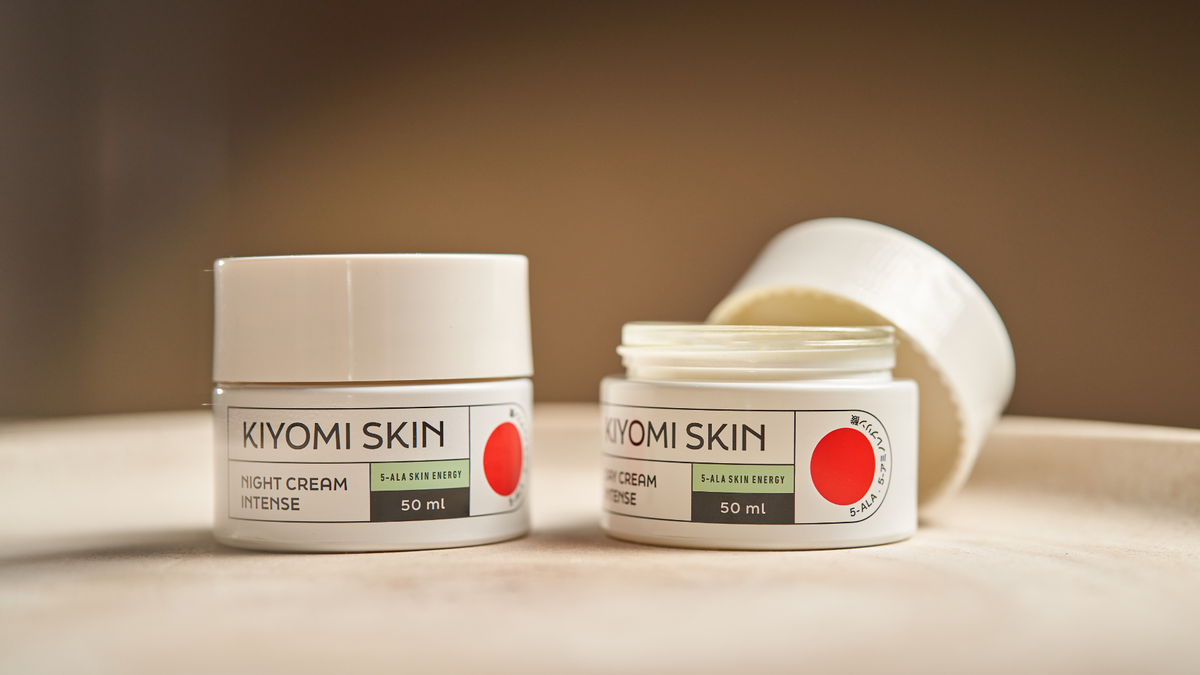
Best overall for a simple hydration routine: Kiyomi Skin Night Cream. Best for a resveratrol-focused routine: Night Cream Intense. Best explicitly fragrance-free alternative: Day Cream. This 2026 guide to the best Japanese night cream focuses on Japanese-inspired care, ingredient fit and practical choices for sensitive skin—not a claim that these products are manufactured in Japan.
- Kiyomi Skin Night Cream is the best Japanese night cream starting point here for a straightforward hydration routine.
- Night Cream combines 5-ALA, hyaluronic acid and ceramides; Night Cream Intense pairs 5-ALA with resveratrol.
- Day Cream is explicitly described as fragrance-free; verify fragrance status separately for either night cream.
- Choose a moisturizer first, then add targeted skincare only when your skin comfortably tolerates the base routine.
Why this matters
A night cream should make your evening routine easier to maintain. For sensitive skin, that means choosing a suitable formula rather than collecting more active ingredients or assuming that an intensive label guarantees better results.
Kiyomi Skin builds its skincare range around 5-ALA. Here, the useful distinction is between what each formula contains and what those ingredients actually establish: an ingredient list helps you select a product, but it does not prove a finished cream will deliver a particular result.
Kiyomi Skin Night Cream is the best starting point in this comparison for shoppers seeking a simple Japanese-inspired evening moisturizer with hyaluronic acid and ceramides. Individual tolerance still determines whether it earns a permanent place on your shelf.
What makes the best Japanese night cream?
For your 2026 shortlist, prioritize these criteria before choosing between a standard cream and an intensive option:
- Hydration ingredients: Look for ingredients that attract water, such as hyaluronic acid, alongside a moisturizing formula you enjoy using.
- Barrier-focused ingredients: Ceramides are lipids naturally present in the skin barrier. Their inclusion gives you a concrete ingredient feature to compare.
- Fragrance clarity: Check each formula individually. A fragrance-free statement for one cream does not apply automatically to the whole range.
- Routine fit: Choose a moisturizer that works with your existing cleanser and any treatments you already tolerate.
- Evidence boundaries: Separate ingredient research from results demonstrated for the exact finished product.
- Personal tolerance: A product described as gentle still needs a careful introduction when your skin reacts easily.
A Japanese-inspired routine does not require a long sequence. Gentle cleansing, a suitable moisturizer and daytime sun protection give you a practical foundation; additional products should serve a clear purpose.
Best Japanese night cream options at a glance
These 2026 picks occupy different roles. The order reflects ingredient fit for the stated use case, not a head-to-head clinical trial.
| Rank and option | Best for | Standout feature | Key limitation |
|---|---|---|---|
| 1. Night Cream | A straightforward evening hydration routine | 5-ALA, hyaluronic acid and ceramides | Fragrance-free status is not established by the supplied description |
| 2. Night Cream Intense | Shoppers specifically seeking a resveratrol-containing night cream | 5-ALA and resveratrol | “Intense” does not establish greater hydration or better tolerance |
| 3. Day Cream | Shoppers prioritizing an explicitly fragrance-free moisturizer | Fragrance-free description, 5-ALA and hyaluronic acid | It is a daytime-labeled alternative, not a dedicated night cream |
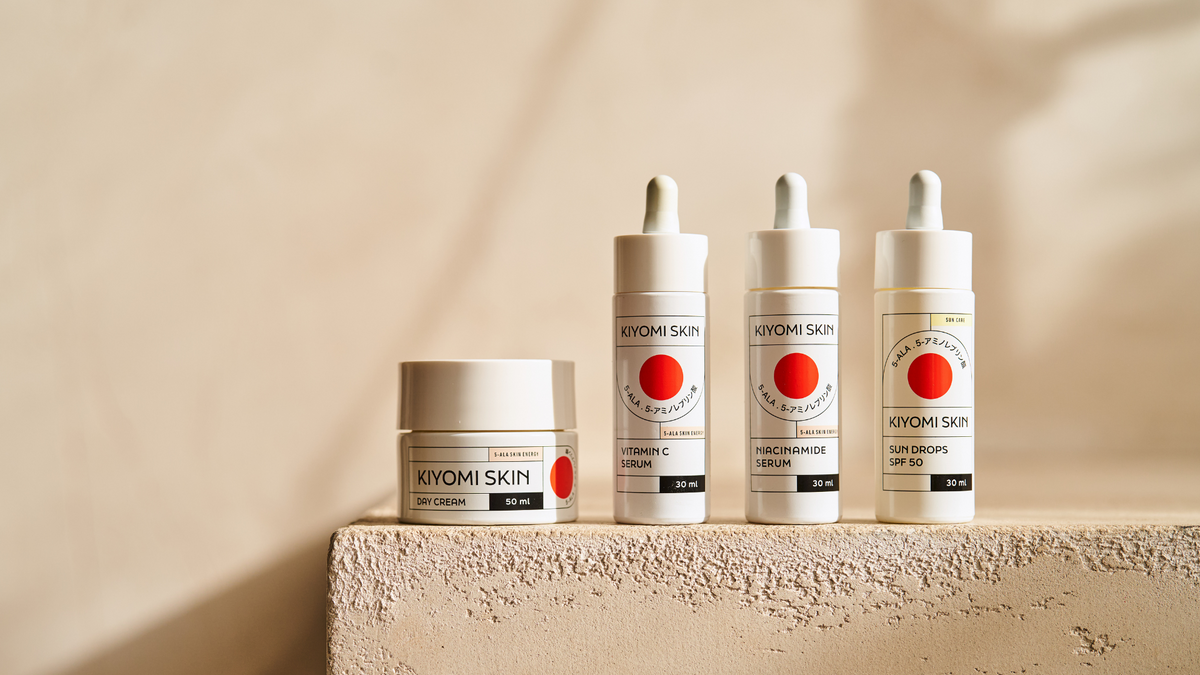
Night Cream Intense appears in the product cards below. Day Cream belongs in this comparison because evening moisturizer selection depends on formula suitability, not solely on the time of day printed in the name.
1. Night Cream: best for straightforward evening hydration
Night Cream brings together 5-ALA, hyaluronic acid and ceramides. That combination makes it the clearest starting point here when you want an evening moisturizer with named hydration and barrier-related ingredients, without building a complicated routine around it.
Hyaluronic acid is a humectant, meaning it attracts water. Ceramides are part of the skin’s natural barrier structure; their presence is relevant to moisturizer selection, although the ingredient list alone does not establish how much a finished formula improves hydration or barrier function.
Night Cream pros:
- Combines hyaluronic acid and ceramides in one evening product.
- Includes 5-ALA within the brand’s core skincare approach.
- Fits a simple cleanse-and-moisturize routine without requiring an accompanying serum.
Night Cream consideration:
- Confirm its complete ingredient list and fragrance status before choosing it for fragrance-sensitive skin.
Best for: You want a dedicated nighttime moisturizer and prefer to start with hydration rather than add several targeted products at once.
Use Night Cream as your moisturizing step after cleansing, following the current product directions. If you already use a serum comfortably, keep the rest of your routine unchanged while you introduce the cream so you can judge its fit more clearly.
Verdict: Buy for a straightforward evening hydration routine, after checking the formula against your known triggers.
2. Night Cream Intense: best for a resveratrol-focused routine
Night Cream Intense contains 5-ALA and resveratrol. It is the more relevant choice when resveratrol is an ingredient you specifically want in a dedicated night cream, rather than a reason to assume every shopper needs the intensive option.
Resveratrol is a plant-derived compound studied for antioxidant activity. That ingredient background does not establish a particular level of antioxidant protection, wrinkle reduction or overnight repair from this finished cream.
Night Cream Intense pros:
- Offers a dedicated nighttime formula featuring resveratrol.
- Includes 5-ALA for shoppers interested in the brand’s ingredient approach.
- Gives you a distinct ingredient-based alternative to the hyaluronic acid and ceramide selection above.
Night Cream Intense consideration:
- Choose it for its disclosed ingredients, not an assumption that “Intense” means better results or greater sensitive-skin suitability.
Best for: You specifically want a resveratrol-containing night moisturizer and are comfortable checking a new formula carefully before regular use.
Do not infer texture, richness or absorption speed from the name alone. Those practical details matter when you dislike a heavy finish or need a cream that sits comfortably alongside an existing treatment.
Verdict: Buy if resveratrol is your deciding ingredient; otherwise, start with the simpler hydration-led choice.
3. Day Cream: best explicitly fragrance-free alternative
Day Cream is described as a fragrance-free moisturizer containing 5-ALA and hyaluronic acid. Although it is not sold as a night cream, it is a useful alternative to consider when an explicit fragrance-free statement matters more to you than a nighttime label.
A daytime name does not automatically disqualify a moisturizer from evening use. Check the current directions and complete formula, then decide whether its intended use and feel match your routine.
Day Cream pros:
- Its supplied description explicitly states fragrance-free.
- Contains hyaluronic acid, a water-attracting moisturizing ingredient.
- Offers a straightforward option for shoppers who prioritize formula clarity over a dedicated nighttime name.
Day Cream consideration:
- Fragrance-free does not mean reaction-free; other ingredients can still disagree with your skin.
Best for: You want a clearly described fragrance-free option and are open to using a daytime-labeled moisturizer in your evening routine where its directions allow.
Do not treat the name Day Cream as evidence of sun protection. A moisturizer only provides the sunscreen protection stated on its actual label; daytime use still calls for an appropriately labeled sunscreen.
Verdict: Buy when explicit fragrance-free labeling is your priority and the current directions suit your intended use.
Choose your moisturizer
Match the cream to your main requirement: hyaluronic acid plus ceramides, a resveratrol-containing formula, or an explicitly fragrance-free description. You do not need all three products to build an effective evening habit.


Build a simple evening routine
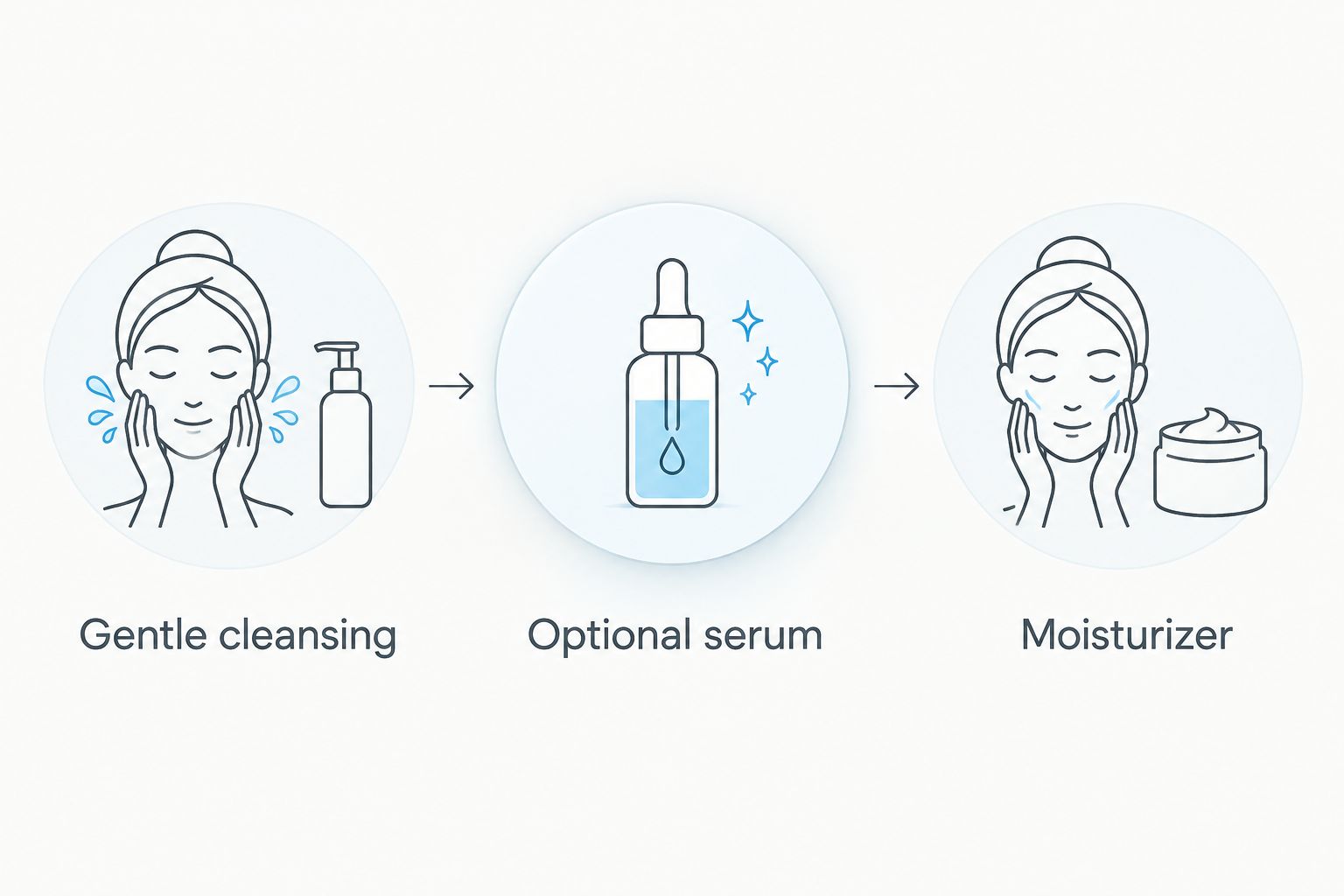
The best night cream for your 2026 routine should fit into a repeatable sequence. Keep the foundation steady while you assess a new moisturizer; adding several unfamiliar formulas together makes reactions harder to trace.
Gentle cleansing
Remove makeup, sunscreen and daily buildup with a cleanser your skin already tolerates. Use lukewarm water and avoid scrubbing irritated areas; tightness after washing is not a goal.
Optional serum
Use an existing, well-tolerated serum according to its directions. A serum is optional, not an entry requirement for using a night cream, and you do not need a new active ingredient simply because you have changed moisturizers.
Moisturizer
Apply your chosen moisturizer according to its label. Let comfort, coverage and the product instructions guide application rather than assuming that a thicker layer produces better results.
In the morning, include broad-spectrum sunscreen with SPF 30 or higher, consistent with American Academy of Dermatology guidance. Night cream supports your moisturizing routine; it does not replace daytime sun protection.
Introduce one change at a time
The American Academy of Dermatology recommends testing a new skincare product on a small area twice daily for 7–10 days before broader use. Follow the product’s intended application method, and stop if redness, itching or swelling develops.
A home use test is not the same as dermatologist-administered allergy patch testing. If you have persistent reactions, eczema or a known contact allergy, ask a dermatologist for individualized guidance rather than repeatedly trying products on inflamed skin.
What 5-ALA science means for your choice
5-ALA stands for 5-aminolevulinic acid, a naturally occurring compound involved in the body’s production of heme. Heme is a component of several proteins, including hemoglobin, which carries oxygen in blood.
That biological role is ingredient context—not proof that applying a 5-ALA cream increases skin energy, reverses aging or repairs DNA. Finished-product claims require evidence on the particular formulation and the outcome being discussed.
For Kiyomi Skin night cream shoppers, the practical move is to consider 5-ALA alongside the rest of the formula. Hyaluronic acid, ceramides, fragrance information and your own experience help answer the immediate question: does this moisturizer belong in your routine?
Well aging means supporting comfort, hydration and the visible appearance of skin over time—not stopping the aging process. A manageable routine is a more useful goal than chasing a dramatic overnight transformation.
How these options were ranked
This 2026 ranking uses disclosed ingredients, explicit fragrance information and each product’s role in an evening routine. Night Cream leads for its hyaluronic acid and ceramide combination; Night Cream Intense serves the resveratrol use case; Day Cream serves the explicitly fragrance-free preference.
The ranking does not establish clinical superiority, Japanese manufacturing origin or universal sensitive-skin tolerance. Those are separate claims requiring separate evidence, not conclusions drawn from a product name.
Which Japanese-inspired night cream should you choose?
Choose Night Cream as the default when your main goal is a straightforward evening moisturizer with hyaluronic acid and ceramides. Choose Night Cream Intense when resveratrol is the ingredient that matters to you, or consider Day Cream when explicit fragrance-free labeling takes priority.
For your 2026 routine, buy for a defined need rather than the longest ingredient story. Start with one suitable moisturizer and give yourself a clear opportunity to assess comfort before changing anything else.
FAQ
What is the best Japanese night cream for a simple routine?
Kiyomi Skin Night Cream is the starting pick in this comparison for a Japanese-inspired hydration routine because it contains 5-ALA, hyaluronic acid and ceramides. This is an ingredient-based recommendation, not evidence of superiority over every Japanese night cream.
Which option is explicitly fragrance-free?
Day Cream is explicitly described as fragrance-free in the supplied product information. Confirm fragrance status separately for Night Cream and Night Cream Intense, and remember that fragrance-free does not guarantee individual tolerance.
Is Night Cream Intense better than Night Cream?
Night Cream Intense is the more relevant choice if you specifically want resveratrol. Its name does not establish better hydration or sensitive-skin tolerance; Night Cream instead highlights hyaluronic acid and ceramides.
Can I use a day cream at night?
A day cream can serve as an evening moisturizer when its formula and directions suit that use. Check the label rather than assuming that the product name determines when every moisturizer must be applied.
Do I need a serum under my night cream?
No, a serum is optional. A simple evening routine can consist of gentle cleansing followed by a suitable moisturizer, with a targeted serum added only when it serves a specific need.
Does 5-ALA in a night cream prove anti-aging results?
No, the presence of 5-ALA does not by itself prove finished-product anti-aging results. Ingredient biology and evidence from a particular cream are different, and claims about visible changes require appropriate formulation-specific studies.
How should I test a new night cream on sensitive skin?
The American Academy of Dermatology recommends testing a new skincare product on a small area twice daily for 7–10 days before broader use. Stop if a reaction develops; a home test does not guarantee future tolerance or replace medical assessment.
One last thing
Before choosing a new cream, write down what you want it to change: tightness after cleansing, an uncomfortable finish or an unnecessarily complicated routine. A clear goal makes it easier to judge your purchase—and keeps an “intense” label from making the decision for you.