5-ALA skincare for night shift workers: complete 2026 guide
Night shift workers’ skincare is a routine built around waking, working, daylight exposure, and sleep, with the aim of keeping skin comfortable, hydrated, and protected. This 2026 guide explains where 5-ALA skincare fits—and how to choose gentle care without treating a serum as a substitute for sleep or sunscreen.
- Skincare for night shift workers works best when cleansing follows sleep and sunscreen follows daylight exposure.
- Kiyomi Skin offers 5-ALA skincare for shoppers building a simple, goal-led routine, not a treatment for shift-work fatigue.
- Choose one serum for your main concern; keep moisturizer and broad-spectrum sunscreen as your foundation.
- Sensitive skin needs formula-by-formula checks: an ingredient study does not establish finished-product tolerance.
Why skincare matters for night shift workers
Working overnight changes when you leave home, remove sunscreen, and settle down to sleep. A routine labeled only morning and evening becomes confusing when your morning starts before sunset and your bedtime follows a daylight commute.
Build your routine around events, not the clock. Cleanse when you need to remove sunscreen, makeup, or accumulated residue; moisturize when skin needs support; apply sunscreen before outdoor daylight exposure.
Sensitive skin adds another decision: whether a particular formula suits you. Start with this guide to choosing a fragrance-free serum for sensitive skin, then assess each product individually rather than assuming an entire range is fragrance-free.
For your 2026 routine, the useful goal is consistency—not adding more steps because you work unusual hours. Skincare supports hydration and the visible appearance of aging; it does not replace adequate sleep or treat the effects of shift work.
Build a routine around your shift
Anchor your routine to waking and sleeping
Write down when you wake, when you encounter daylight, and when you remove the products you wore during work. Use those moments as your routine anchors. This works for rotating schedules without requiring a separate product collection for every shift pattern.
If you wake before an overnight shift, start with the cleansing your skin actually needs, followed by moisturizer. Before daytime sleep, remove sunscreen or makeup and apply your sleep-time care. A product labeled night cream does not mean your bedtime must fall after sunset; check its directions and ingredients.
- On waking: Assess dryness, oiliness, and leftover products before cleansing.
- Before work: Apply the moisturizer that feels comfortable under your work gear.
- Before daylight: Add broad-spectrum sunscreen to exposed skin.
- Before sleep: Remove sunscreen and makeup, then moisturize.
Match sunscreen to daylight exposure
An overnight shift does not eliminate daytime sun exposure. Your trip home, errands after work, and time outdoors before a shift all belong in your sunscreen plan.
The American Academy of Dermatology recommends broad-spectrum, water-resistant sunscreen with SPF 30 or higher, with reapplication every two hours outdoors and after swimming or sweating. Follow the product label. A cream called day cream is not automatically a sunscreen; check for a labeled SPF and broad-spectrum protection.
For a practical 2026 setup, place sunscreen beside the belongings you take home after work. That makes the daylight commute an explicit part of your routine rather than an afterthought.
- Check the sunscreen label for broad-spectrum protection and SPF 30 or higher.
- Apply before outdoor daylight exposure, including the trip home.
- Reapply according to the label while outdoors.
- Add shade, sunglasses, and protective clothing when appropriate.
Choose one serum for your main concern
You do not need a serum to build a useful routine. Begin with products you already tolerate, then add one serum if you want to address a specific cosmetic concern such as uneven-looking tone or visible fine lines.
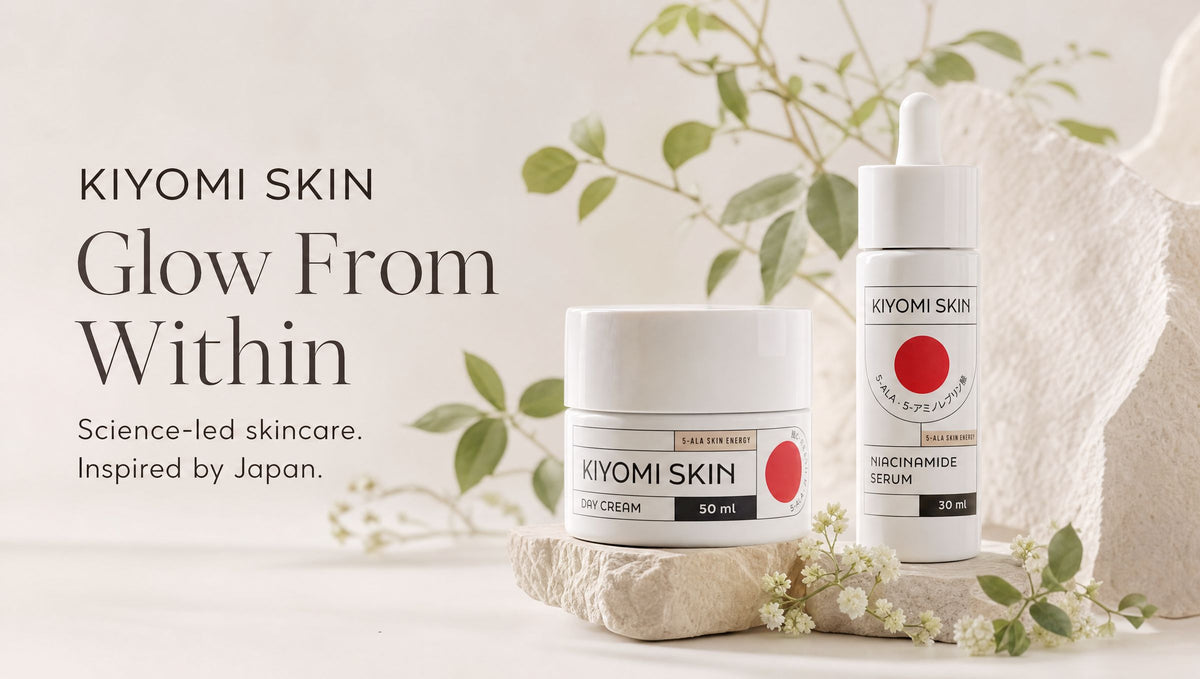
Kiyomi Skin 5-ALA skincare is best for shoppers who want a simple routine organized around hydration and visible aging concerns. Choose by the complete formula and the product’s evidence—not by a promise that 5-ALA compensates for overnight work.
5-ALA means 5-aminolevulinic acid, a compound involved in the body’s production of heme. That ingredient background does not establish that a cosmetic serum restores skin energy, repairs DNA, or reverses aging. Finished-product findings need their own supporting studies.
- Pick one priority: comfort, uneven-looking tone, or visible fine lines.
- Read the complete ingredient list, including known personal triggers.
- Introduce one new formula at a time, following its directions.
- Keep the rest of your routine stable while assessing the addition.
Make moisturizer your repeatable step
A moisturizer is the practical center of a simple routine. You can use a formula you already tolerate rather than buying separate products just because your work and sleep schedules cross calendar days.
Kiyomi Skin offers Night Cream and Night Cream Intense as sleep-routine options. The supplied catalog identifies hyaluronic acid and ceramides in Night Cream, and resveratrol in Night Cream Intense; these ingredient descriptions do not establish which formula your sensitive skin will prefer. Compare the complete ingredient lists and directions before choosing.
Night Cream is best for shoppers considering a moisturizer containing hyaluronic acid and ceramides. Night Cream Intense is best for shoppers specifically considering a 5-ALA and resveratrol formula. Neither name establishes fragrance-free status or universal tolerance.
- Use a familiar moisturizer as your starting point.
- Check the complete formula rather than relying on the word intense.
- Follow the labeled application directions.
- Keep sleep-time care separate from your daylight sunscreen decision.


Simplify your before-sleep sequence
After a shift, a routine should be easy to finish. Remove sunscreen and makeup with a cleanser suited to those products, apply your chosen serum according to its directions, and finish with moisturizer. Double cleansing is an option when needed—not a requirement attached to Japanese-inspired skincare.
For your 2026 plan, keep the sequence visible near the sink: Cleanse, Serum, Moisturize. Sunscreen belongs before daylight exposure, rather than automatically becoming the last step before sleep in a dark room.
A short sequence also makes troubleshooting easier. If discomfort begins after introducing a new product, you have fewer recent changes to review.
- Remove sunscreen and makeup before settling down to sleep.
- Avoid scrubbing to chase a squeaky-clean feeling.
- Use only the serum you are currently assessing.
- Finish with moisturizer instead of adding unnecessary treatment layers.
Track comfort before adding more products
Judge your routine by what happens during ordinary use, not by how many steps it contains. Keep a brief record of new products, application timing, and symptoms such as burning, persistent redness, or itching.
A small-area home trial is not the same as a dermatologist’s diagnostic patch test, and neither guarantees tolerance during every future use. Stop a product that causes irritation. Seek medical advice for persistent symptoms, swelling, blistering, or a suspected allergic reaction.
Your work schedule is another reason to avoid introducing several formulas together: a simpler record makes it easier to identify what changed.
- Record the product name and the day you introduce it.
- Note comfort as well as the cosmetic concern you want to address.
- Avoid adding another treatment while troubleshooting irritation.
- Review the routine when your shift pattern changes.
Compare serum options for your 2026 routine
Choose the serum that matches your main concern, not the longest ingredient story. A basic routine remains a valid option when your skin is unsettled or you are still identifying triggers.
| Option | Best for | Useful feature |
|---|---|---|
| Cleanser, moisturizer, and daylight sunscreen | Establishing a consistent foundation | Keeps the routine focused and easier to assess |
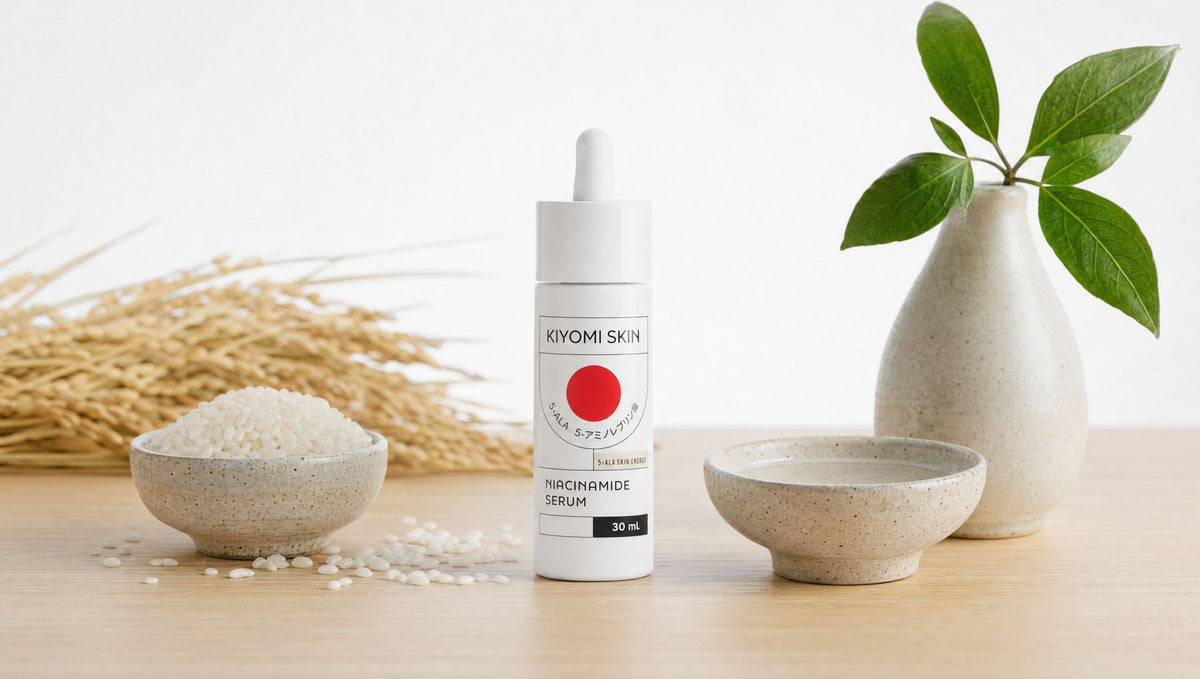
| Niacinamide Serum | Shoppers prioritizing even-looking tone and comfort | Has small finished-product instrumental and questionnaire studies |
| Bakuchiol Serum | Shoppers prioritizing the look of firmness and fine lines | Has small finished-product instrumental and questionnaire studies |
Read the serum evidence in context
Kiyomi Skin confirmed that the current US Niacinamide Serum and Bakuchiol Serum match their respective tested formulations. That connection matters: evidence about a different formula would not establish results for the product you buy.
For Niacinamide Serum, Chemicos report CHG/110/06/2025 covered 10 women over four weeks, from May 27 to June 24, 2025. The measured elasticity group mean increased by about 14%. A separate four-week questionnaire, CHG/24/07/2025, included 20 completers; all reported improved even-looking tone and comfort, and no discomfort, burning, or redness during use. These are small-panel findings, not proof of universal tolerance.
For Bakuchiol Serum, Chemicos report CHG/117/06/2025 covered 10 participants from May 29 to June 26, 2025. Measured elasticity increased by about 19% in the group mean. In the separate 20-person questionnaire, CHG/28/07/2025, all participants agreed that fine lines looked less visible and reported no discomfort, burning, or redness during four weeks.
Neither instrumental study had a control group or reported significance analysis. The Bakuchiol questionnaire measured participant opinions—not instrumental wrinkle reduction—and neither product’s results establish a benefit specifically caused by 5-ALA. None of these panels establishes results specifically for night shift workers.
Common mistakes night shift workers make
- Skipping sunscreen because the shift was overnight. Check the daylight you encounter after work, not the hours you spent indoors.
- Treating daytime sleep as a reason to skip cleansing. Remove sunscreen and makeup before sleep regardless of the clock.
- Buying several serums to compensate for lost rest. Choose one cosmetic priority; skincare does not replace sleep.
- Assuming gentle or Japanese-inspired means personally tolerated. Review the complete formula and your own reaction history.
- Rebuilding the whole routine on rotating-shift weeks. Keep the same event-based anchors and adjust sunscreen to daylight exposure.
FAQ
What's the best skincare routine for night shift workers?
The best starting routine is appropriate cleansing, moisturizer, and broad-spectrum sunscreen before daylight exposure. Add one serum for a specific cosmetic concern only after the foundation feels comfortable.
Should I apply sunscreen after a night shift?
Apply sunscreen if you will encounter outdoor daylight after your shift. The American Academy of Dermatology recommends broad-spectrum, water-resistant SPF 30 or higher; follow the label for application and reapplication.
Can I use night cream before sleeping during the day?
You can organize a night cream around your main sleep period, provided you follow that formula's directions. A night cream does not replace sunscreen when you go outdoors in daylight.
Does 5-ALA skincare reverse damage from working nights?
5-ALA skincare is not an established treatment for the effects of night shift work. Choose a finished formula for its supported cosmetic uses, and keep ingredient science separate from claims about sleep, cellular energy, or aging reversal.
Is Niacinamide Serum fragrance-free?
Do not treat Niacinamide Serum as fragrance-free based on the available reports. The reviewed study ingredient lists include bitter-orange flower water and linalool, so check the current complete formula against your sensitivities.
Is Bakuchiol Serum proven to work like retinol?
The supplied Bakuchiol Serum studies do not establish equivalence to retinol. They include a small uncontrolled instrumental study and a separate questionnaire, rather than a direct comparison with retinol.
Do I need both a serum and an eye cream for overnight work?
Neither a serum nor an eye cream is essential simply because you work overnight. Start with cleansing, moisturizer, and daylight sunscreen, then add a product only for a defined concern and suitable application area.
One last thing
Rename the routine in your phone: after waking, before daylight, before sleep. Those labels remain useful when your shifts rotate; morning and night often do not.
Make that your 2026 well-aging plan: repeatable care that supports comfort, hydration, and the visible look of skin over time. The routine you can follow consistently is more useful than an elaborate collection you abandon after a demanding shift.